President’s Corner: From Baltimore, Then and Now
April 30, 2026
Rob Wendt, NOSSCR President
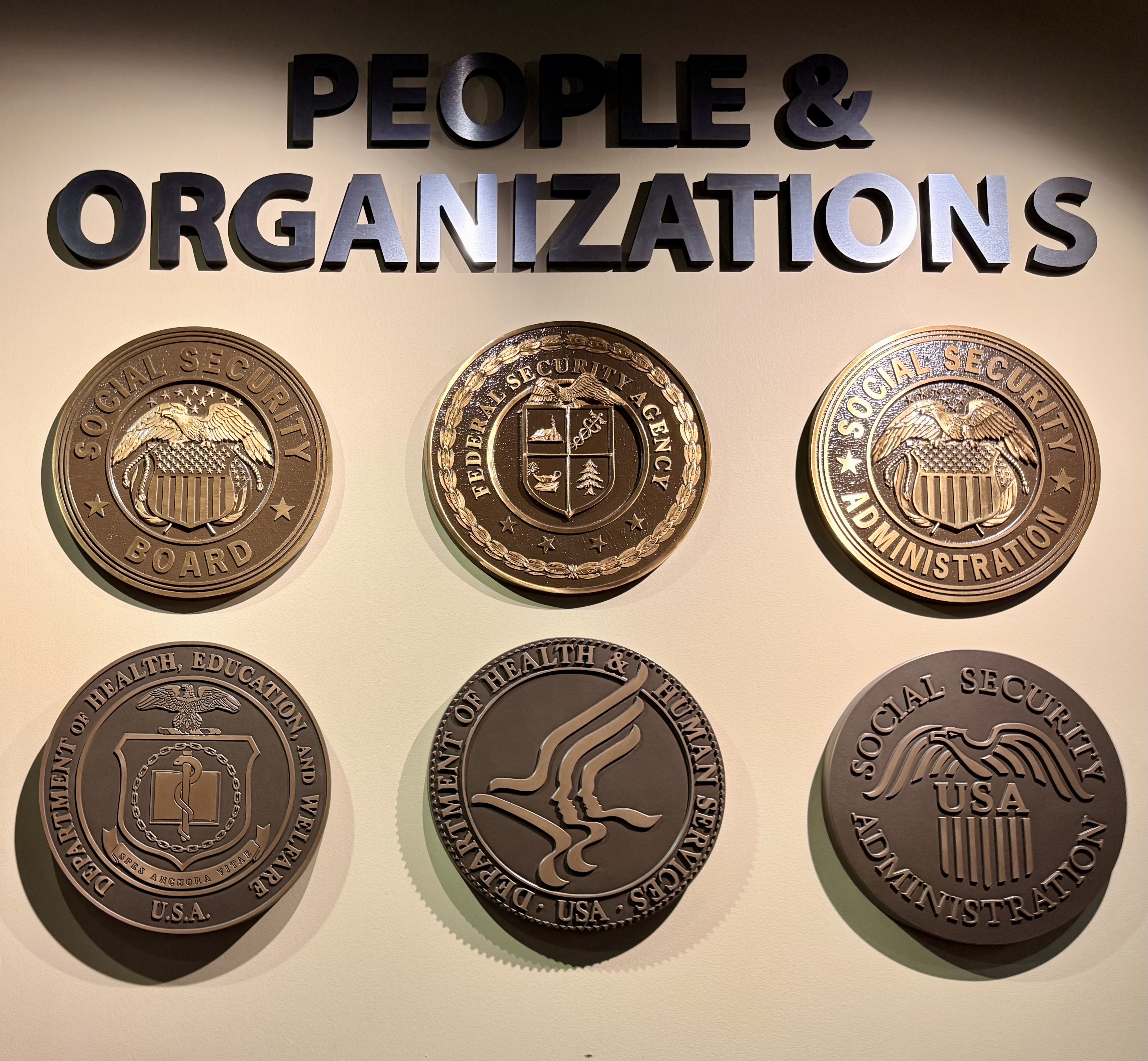
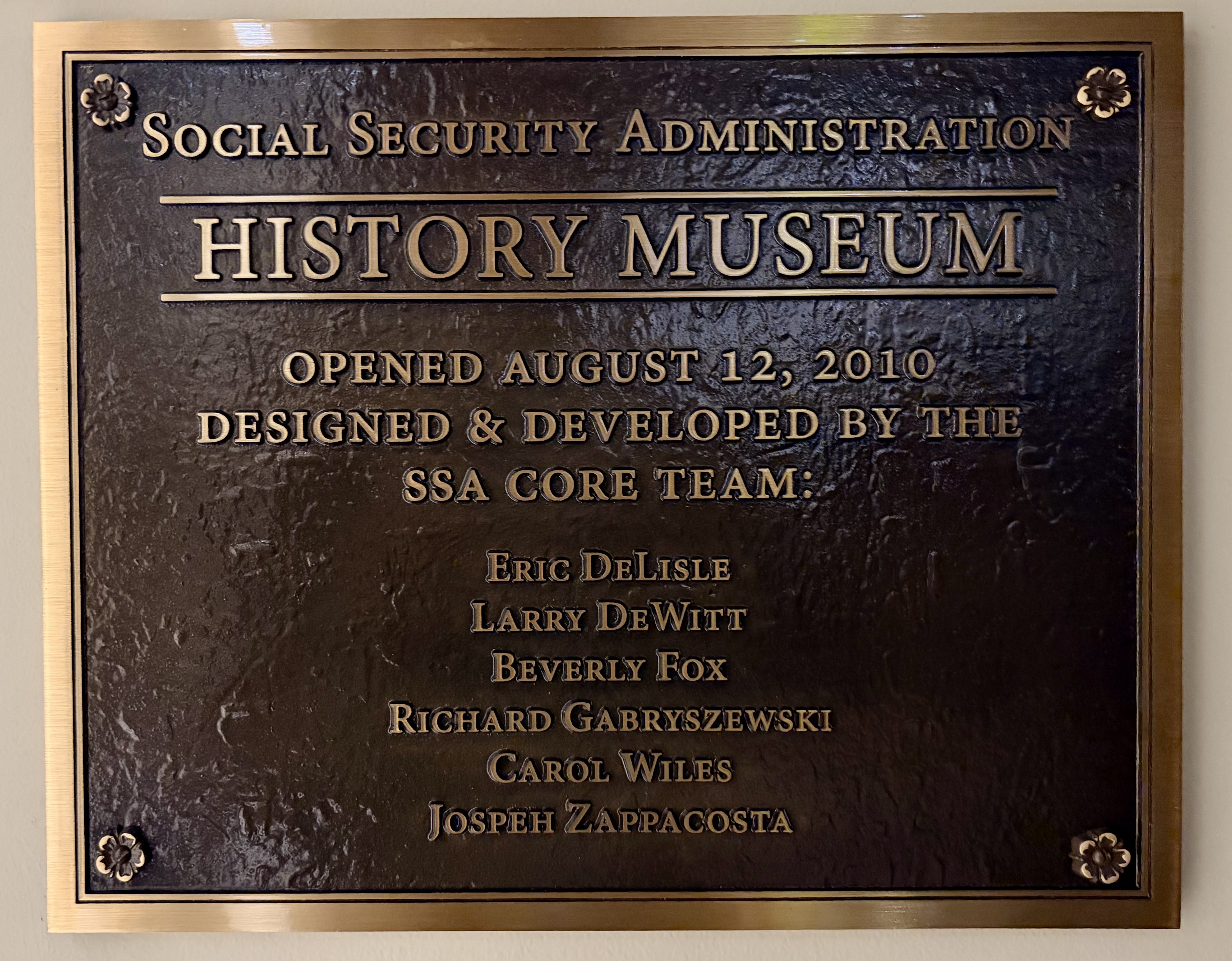
It was great to see so many of you last week in Baltimore at our national conference. Baltimore is the city where SSA’s operational headquarters were first opened in 1936, in the Candler Building, during the depths of the Great Depression and in the shadow of the rising threat of world war. In my remarks at the general session, I drew a parallel between the zeitgeist of that era from which the Social Security system was born, and the present time in which government leaders and citizens’ organizations including NOSSCR seek to renew and preserve this most successful and essential social contract.
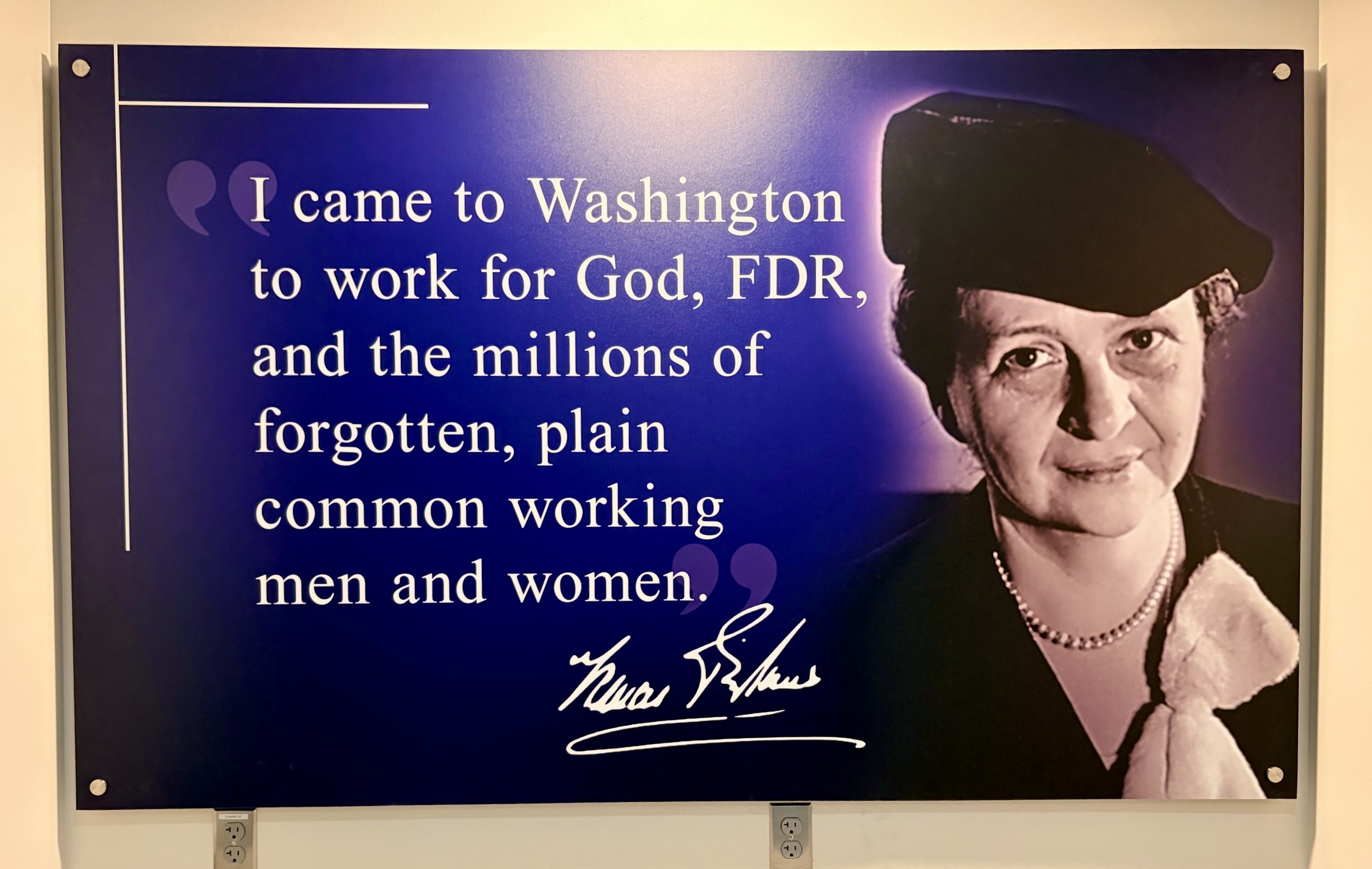
President Roosevelt’s Social Security project drew a remarkable group of leaders and workers to build the nation’s first social insurance system from scratch, confronting the plague of poverty suffered by so many Americans, often through no fault of their own, from death, old age, and disability. Those men and women were inspired by a common purpose to improve the lives of their fellow citizens and future generations, and they quickly built the nation’s most successful anti-poverty program through a combination of imagination, innovation, and hard work.
In more recent times, SSA has suffered greatly from neglect and political controversy. Like an old house, its basic structure and purpose are sound, but it requires extensive renovation to avert collapse, and to restore its original beauty and usefulness. In many ways our current times are almost as dark and threatening as the 1930’s, but despite that darkness, and perhaps in response to it, there is a growing spirit of hope within the leadership of SSA, and in advocacy groups such as ours, that we can fix Social Security and extend its benefits for generations to come.
With that thought in mind, let’s reflect again on where NOSSCR is today, and what we can do together as an organization to renew and improve the disability program. Three years ago, when we moved to Washington, DC and rebuilt NOSSCR from the ground up, we resolved to unify the three major sectors within our community – small and medium-sized law firms and solo practitioners, large national disability firms, and legal services and non-profit organizations – to carry out our mission.
As challenging as that process has been, we have achieved many of our goals – an increase in the fee cap to account for inflation after almost 14 years of no increase, modern IT systems, an updated client referral system that generates significant income for NOSSCR while remaining affordable to the average NOSSCR member, and most importantly, becoming the leading advocates for improvement in the disability program before Congress and the Social Security Administration.
Last week, Commissioner Bisignano and his top leadership team in the newly organized Disability Adjudication division, appeared in person at the Baltimore conference and expressly acknowledged NOSSCR’s role as the agency’s valued partner in the ongoing overhaul of SSA’s operating procedures and systems. There is so much more work to be done and it’s imperative that NOSSCR continue to play a major role in the reformation of the disability program while we continue to provide first rate education and support to our members.
Every NOSSCR member brings something important to the joint project that is NOSSCR – your membership, your attendance at our national and regional conferences, your donations and sponsorships no matter how large or small, your volunteer time on committees or projects or in leadership positions, your presentations at CLE seminars, your advocacy for the disabled with members of Congress and in your community, and your diligent representation of your clients in administrative proceedings or in the federal courts.
I’d like to leave you with one final thought about your role as a NOSSCR member during this most unusual time. In her prize-winning book Empire of AI about the founding and evolution, or devolution, of OpenAI under the leadership of Sam Altman, author Karen Hao notes that in the early days of OpenAI, when the project was organized to change the world for the benefit of humanity, Altman had the following quotation, attributed to Admiral Hyman Rickover, the father of the US nuclear Navy, painted on the office walls:
I believe it is the duty of each of us to act as if the fate of the world depended on [them]. Admittedly, one [person] by [themselves] cannot do the job. However, one [person] can make a difference. Each of us is obligated to bring [their] individual and independent capacities to bear upon a wide range of human concerns. It is with this conviction that we squarely confront our duty to posterity. We must live for the future of the human race, and not of our own comfort or success.
No matter what you think of Admiral Rickover, Sam Altman, or OpenAI, the fact remains that the idea expressed in these words, was a driving force behind OpenAI’s extraordinary scientific achievements. We would do well to take this point of view to heart, as did the founders of Social Security so many years ago.