

October 2026 Print Edition
Just Ask Jennifer: What’s Up with the POMS?

Jennifer Cronenberg, Interim CEO
While I would love to keep talking about the amazing time we had in Salt Lake City forever (and I will—see the multiple later entries in this Forum where we do just that), I wanted to pause my excitement for a moment to talk shop.
Lately SSA has been issuing multiple frequent updates to the POMS and Emergency Messages. Largely these changes have been minor—changes for clarity, updated examples, incorporating known additions (like the new Cardiovascular listings), but some of the changes have been more substantive, and I wanted to highlight just a few of those here.
First, you should know that there are several of us in the advocacy community who check both the POMS Recent Changes and the Emergency Messages daily. We have many email chains discussing these changes and flagging anything worrying. I mention this so that those of you who are busy with your own caseloads can rest a bit easier knowing that we will always highlight any meaningful changes so that you can stay up to date.
Now for some recent changes that are worthy of mention:
GN 02250 TN 83 Waiver Provisions for Title II and Title XVI Overpayments – “The Commissioner has created of a new department within Risk and Quality (R&Q) called Governance and Performance (GAP). We are changing the designated reviewer for high dollar waiver approvals from CDPS/MOS to RQ. RQ will be responsible for reviewing and approving high dollar waiver approvals. Starting October 1, 2026, the high dollar waiver approval amounts that RQ will review and approve will change from $35,000 to $20,000 for Title XVI waiver approvals and from $75,000 to $20,000 for Title II waiver approvals.” Given the lower threshold for cases that require review, it’s worth keeping a closer eye on any of your waiver requests. We would love feedback on any notable changes in the processing time of these waiver requests.
DI 25005.015 Determination of Capacity for Past Work – This transmittal provides improved guidance for how the Disability Determination Services (DDS) considers past “gig work.” The changes to Subsection E “help ensure prompt and consistent evaluation of “gig economy” type work, particularly in situations where earnings were insubstantial and on a task-by-task basis, we simplified instructions on when to rule out certain past self-employment for relevancy purposes.” With an ever-increasing number of our clients who have this “gig” work included in their work histories, this added clarity should be beneficial.
EM-26017 REV 2 Workload Management Expansion – This Emergency Message notes that the nationwide “workload management” system has now been expanded to even more states: Alabama (AL), American Samoa (AS), Arizona (AZ), Arkansas (AR), California (CA), Florida (FL), Georgia (GA), Hawaii (HI), Kentucky (KY), Louisiana (LA), Mississippi (MS), Nevada (NV), New Jersey (NJ), New Mexico (NM), North Carolina (NC), Ohio (OH), Oklahoma (OK), South Carolina (SC), Tennessee (TN), and Texas (TX). This means that, if you file a new IC in one of these states, you may well find that it is being processed somewhere else entirely. Be sure to check any notices you receive to confirm which local office is processing the case. Please let us know if you see any problematic patterns with this workload management expansion.

President’s Corner: What We’ve Done Together
Rob Wendt, NOSSCR President
If you were unable to attend the NOSSCR fall national conference in Salt Lake City, Utah earlier this month, you really missed out. We’ve received lots of unsolicited feedback from members that this was the best NOSSCR conference they had ever attended, and I agree.
To start with the most important purposes of our national conference, the CLE presentations and related programming were absolutely first rate and state of the art. NOSSCR members should expect no less, particularly in light of the AI revolution that is transforming the practice of disability law at unprecedented speed. Our vendors/exhibitors were similarly first class, allowing for close interaction with them about all the latest products and services for our unique area of law.
As in life, a law conference should never be all work and no play, and on this point the Salt Lake City conference exceeded expectations. Salt Lake City is a truly great American city surrounded by amazing landscapes, including the Great Salt Lake. The Grand America Hotel is one of the finest hotels you will find anywhere in the country, and the food was the best we’ve ever had at a conference. Thanks to board member Sarah Bohr, we offered local tours of the city and Antelope Island State Park in the Great Salt Lake on the last two evenings, which were well attended.
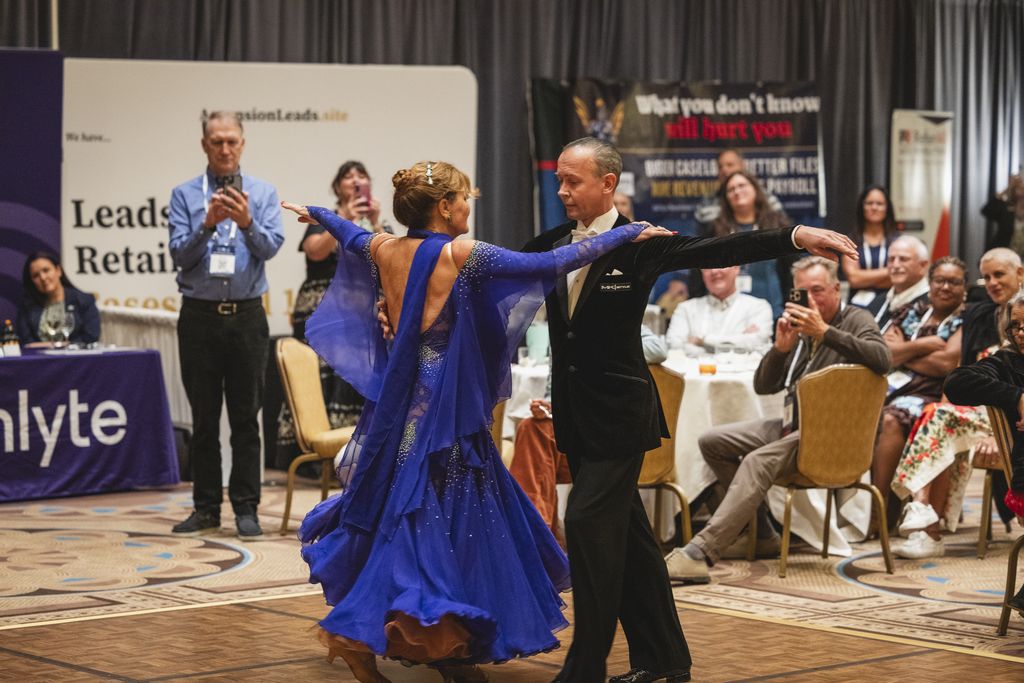
The most fun and memorable night was the Scully reception, during which we debuted a talent show featuring NOSSCR members who sang, danced, played musical instruments, and performed standup comedy. It was organized by Sarah Bohr, who also performed with her long-time competitive ballroom dance partner; and was emceed by another board member, the fabulous Freddie Effinger. It was so good to see the artistic side of our colleagues – I know there are many more of you out there – and to see a bunch of serious lawyers let loose and have so much fun. We have to do that again.
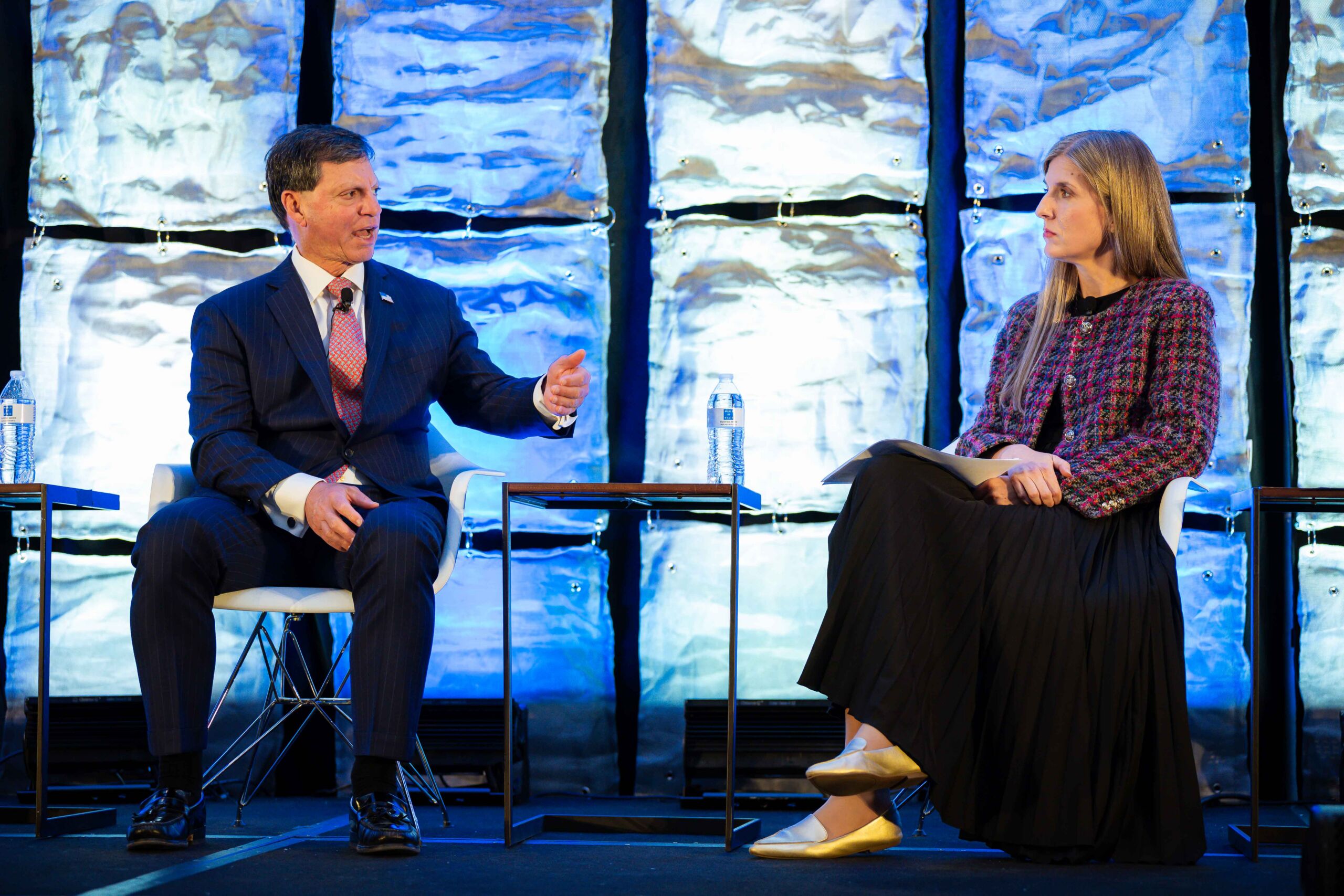
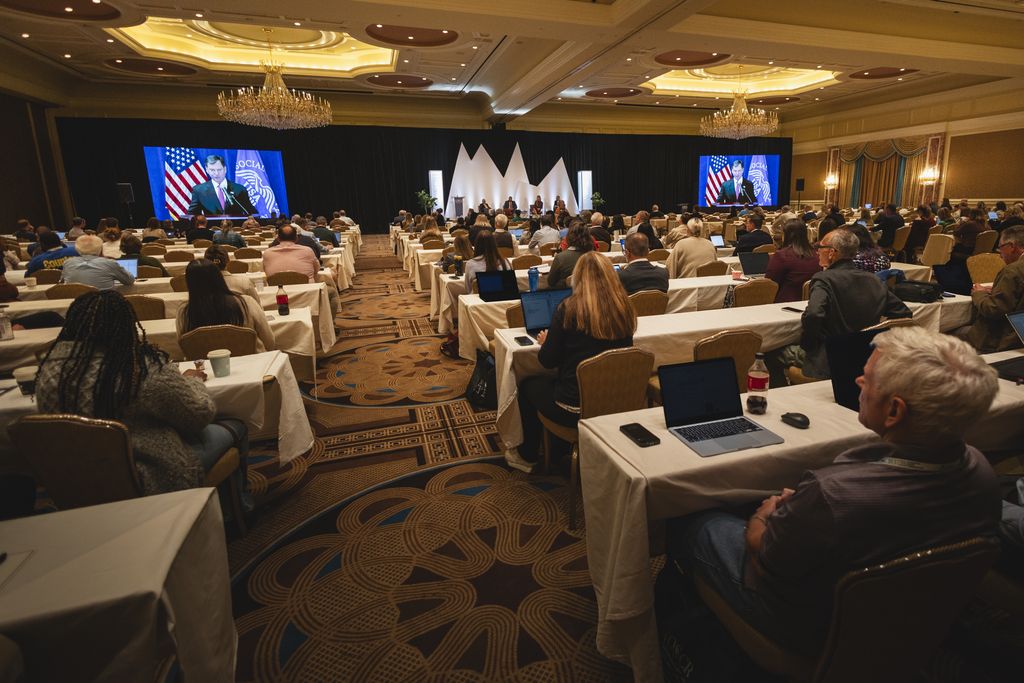
All of these superlatives aside, to me, the most impressive part of the conference was the general session for all attending members, featuring Social Security Commissioner Frank Bisignano, who appeared by video to give an opening address and then to answer questions along with his top staff who appeared in person, Jay Ortis, Chief of Disability Adjudication, and Jim Parikh, Head of Service Delivery and Accountability. Judge Ortis and Mr. Parikh followed the Q&A session with a detailed presentation regarding performance and initiatives in the disability program.
If any members still entertain doubts about the wisdom of our picking up and moving NOSSCR to Washington in 2022, what we heard from the Commissioner, and his top staff should assuage those concerns. This was the third NOSSCR conference in a row in which the Commissioner Bisignano and his leadership team have made a point of attending to answer questions and to stress the work we have been doing together to reform the disability program. The Commissioner stated that NOSSCR’s “insight and advocacy are invaluable” to SSA, and NOSSCR was described and an “important” and “indispensable partner” with SSA in improving the disability adjudication process. Our recent work with SSA to reform disability operations was also described as a matter of “unprecedented engagement.”
We also learned that our efforts to assist the agency in improving the disability adjudication process continues to bear fruit. The Commissioner announced among other things that the new representative portal to replace AARPS – called AROS, will be launched in December of this year, with greatly enhanced functionality and integration with ERE; and that he is open to discussing another increase in the fee cap as authorized by statute because he understands that representatives must to be reasonably compensated to provide effective advocacy for claimants.
I’ve been a NOSSCR member for close to 40 years, and during much of that time we never experienced the level of mutual trust and engagement with the Commissioner’s office that we currently experience. For years the relationship was aloof and often adversarial. NOSSCR members, and by extension our disabled clients, suffered as a consequence. Our recommendations on important policies were often ignored and defeated, we went for 14 years without a raise in the fee cap while inflation ate away at our profitability; after the Obama first mid-term election and the rise of the Tea Party in Congress, ALJ award rates nationwide dropped precipitously and the agency issued a series of regulations and policies, including changes to the treating physician rule, making it more and more difficult for our clients to receive fair decisions. Equally bad, if not worse, the agency descended farther and farther into operation failure with antiquated technology systems and failed operational procedures.
The turnaround in the relationship did not just happen, and it was neither easy nor without great risk, expense, and disagreement within NOSSCR. In 2022, the NOSSCR board and a small group of former leaders decided to take bold action to move NOSSCR to Washington, DC and to essentially start the organization all over again. While retaining our traditional alliances with other disability non-profits, we forged a new path for our relationship with the agency and the Commissioner’s office which was non-partisan, independent, and highly focused on the most important issue of reforming the agency’s operations and efficiency – goals which drew broad support across many constituencies and political lines. We dreamed a big dream and look what that dream, combined with a lot of effort, produced – a partnership of mutual trust and respect that is achieving unprecedented improvement in the disability adjudication process.
Much credit for this new day in NOSSCR’s Washington advocacy is also due to you, our membership. Your loyalty has kept our membership numbers stable and reliable, and your willingness to support NOSSCR in so many ways, whether it’s volunteering to participate in NOSSCR programs and committees or present at our conference, is the key to our ability to carry out our mission. Thank you for your support, what we have achieved, is something we have done together.
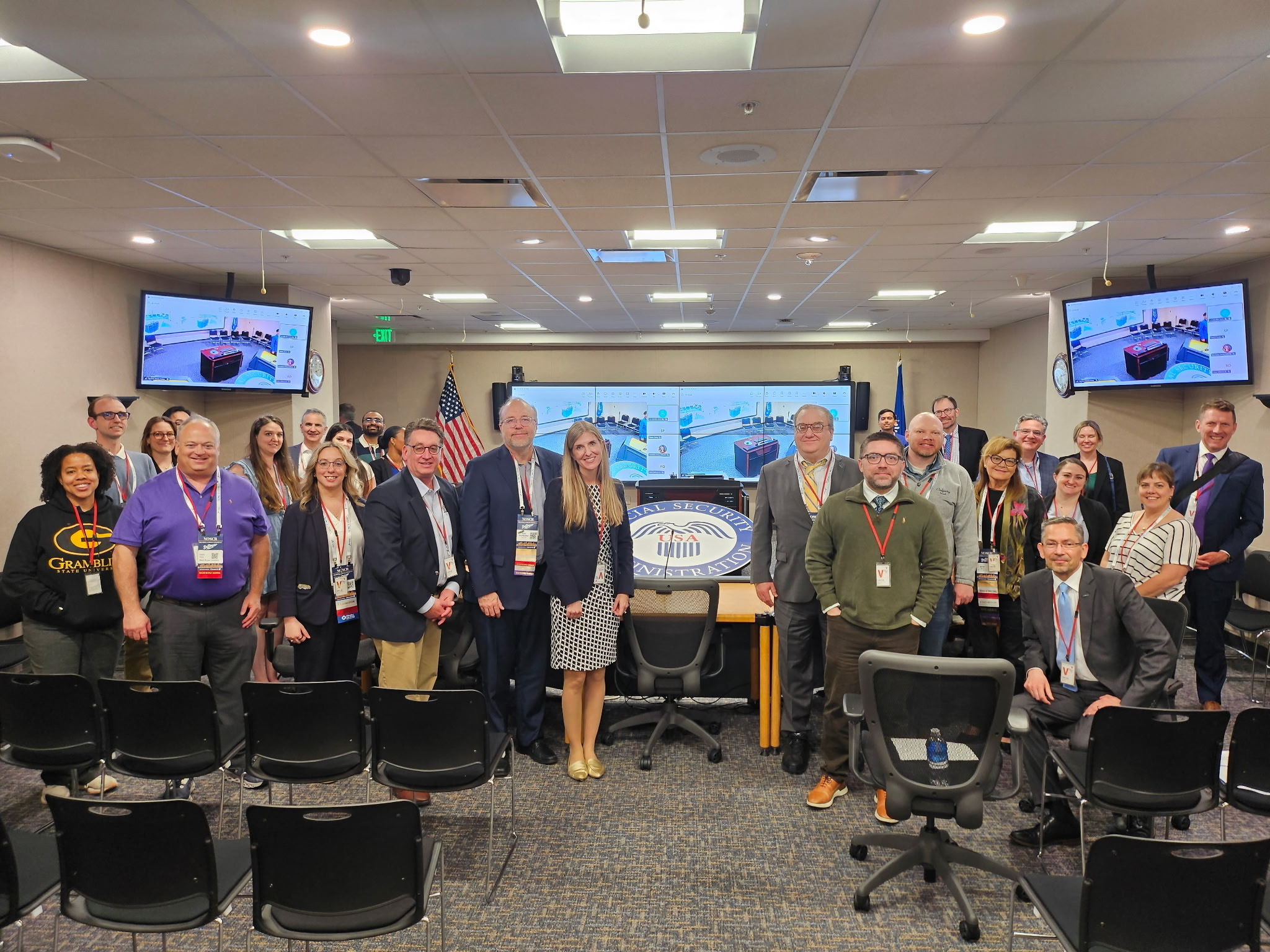
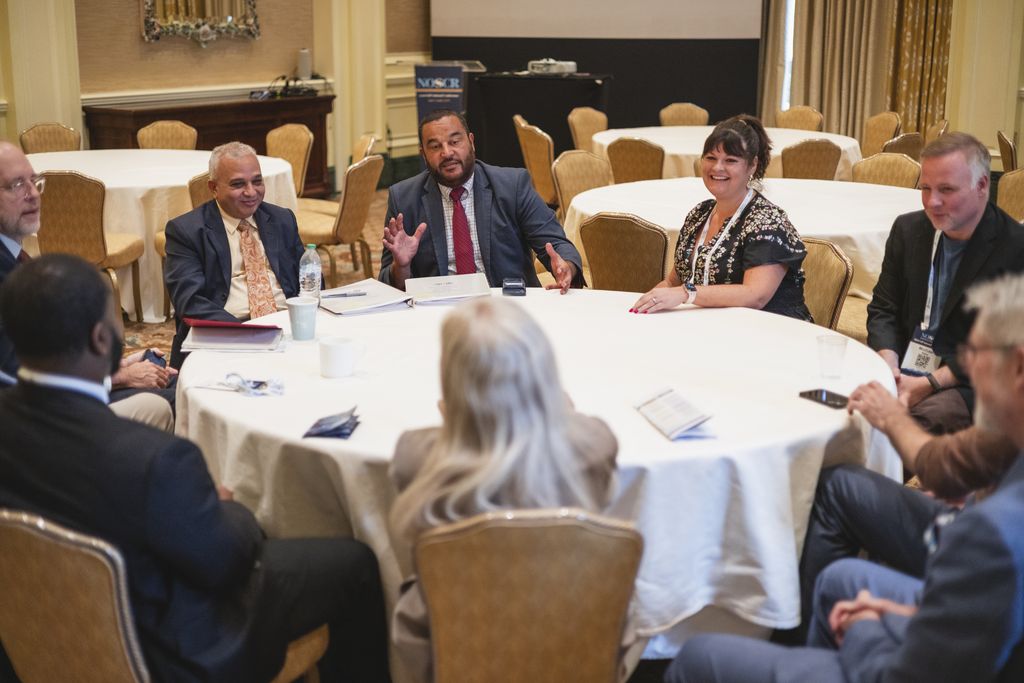
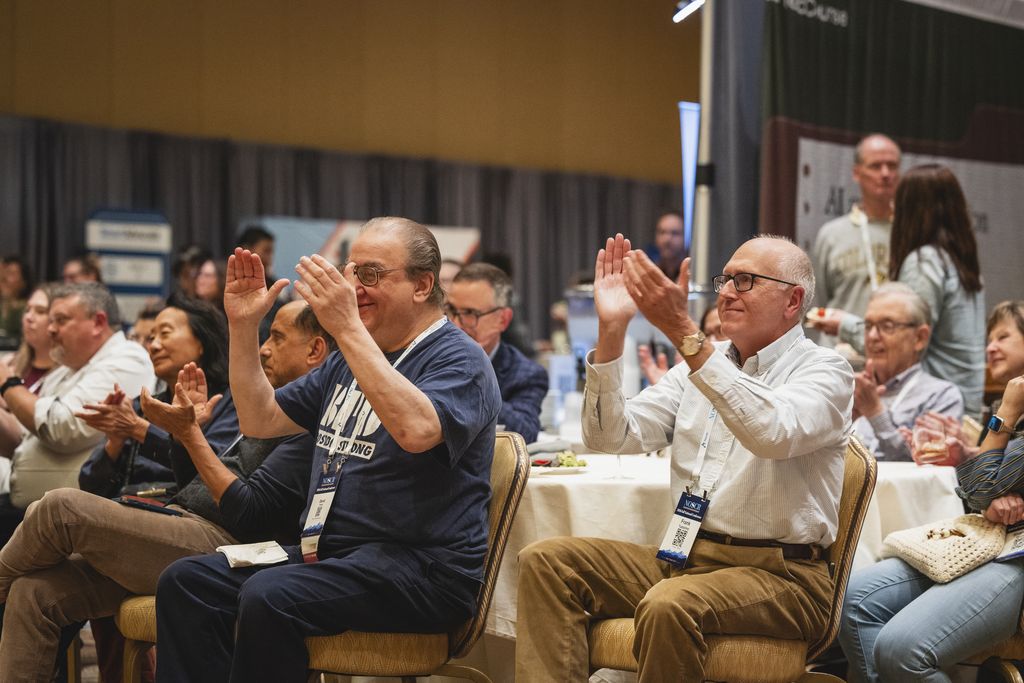
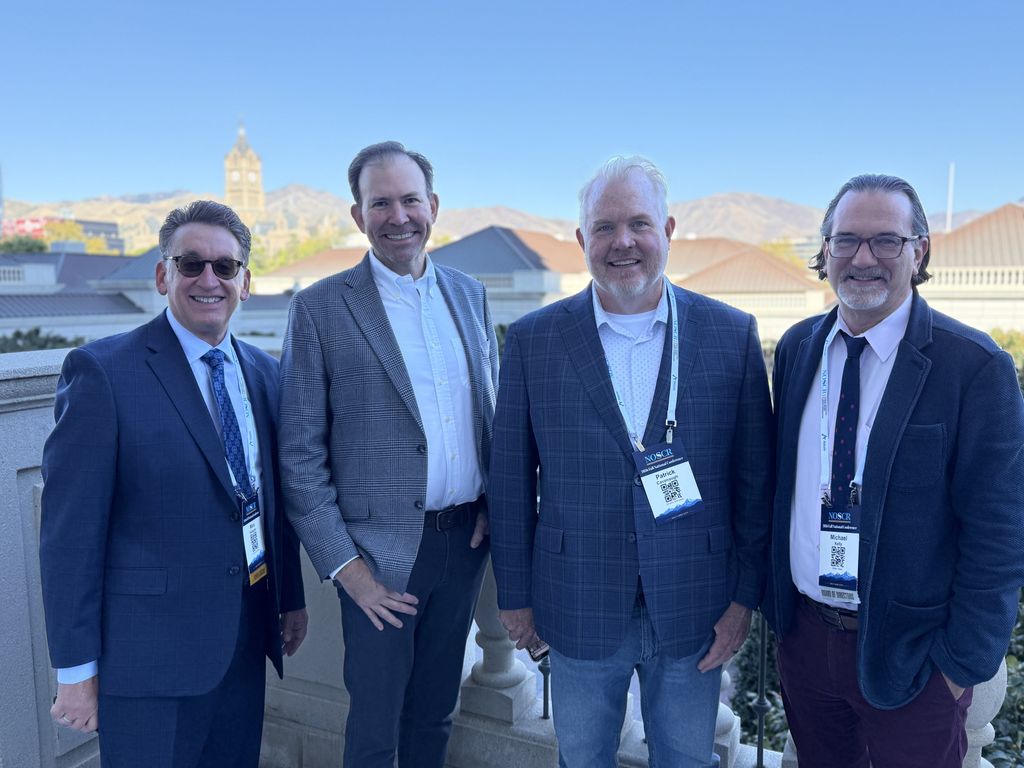
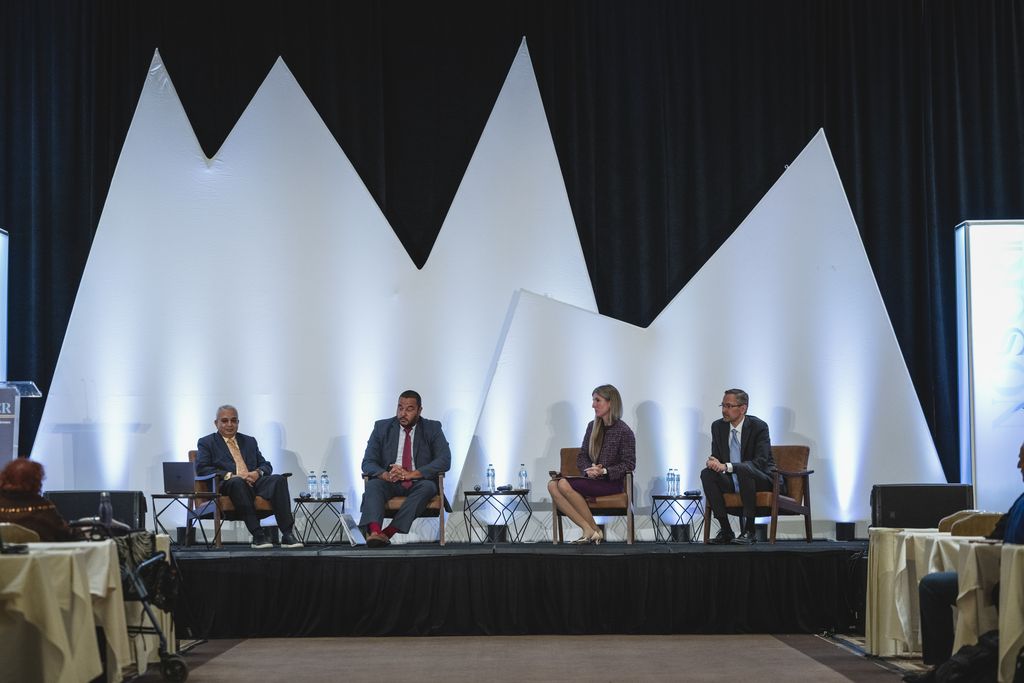
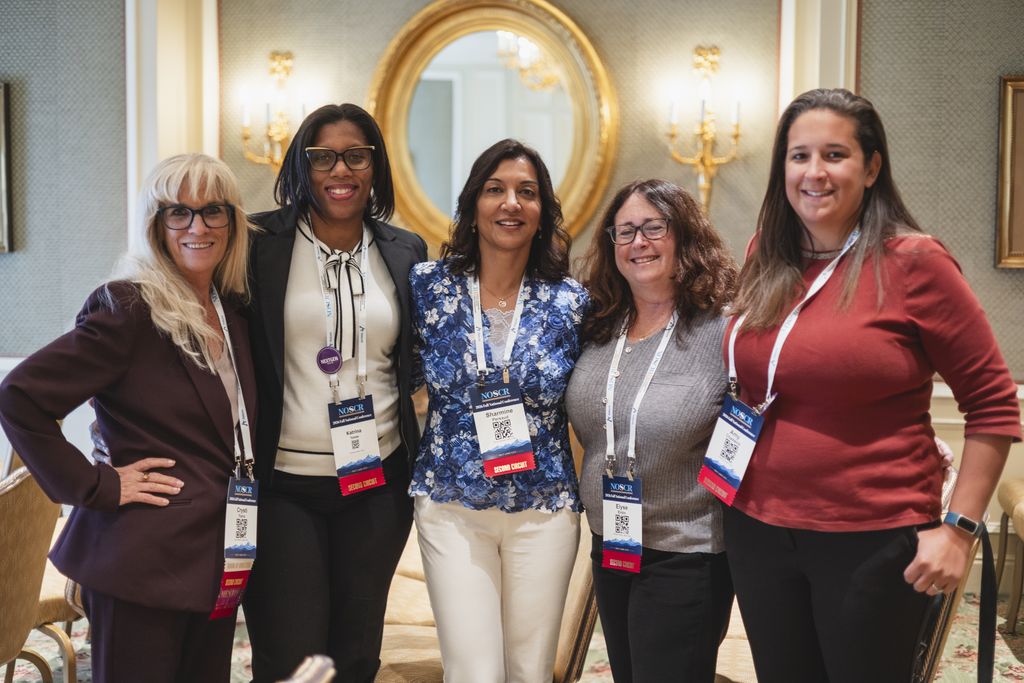
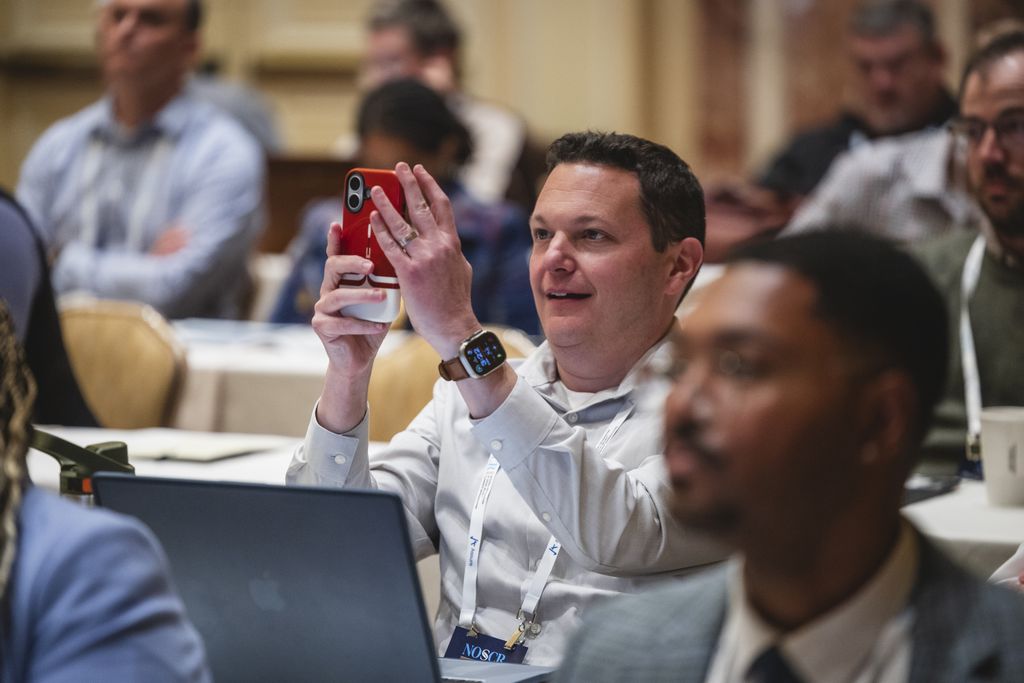
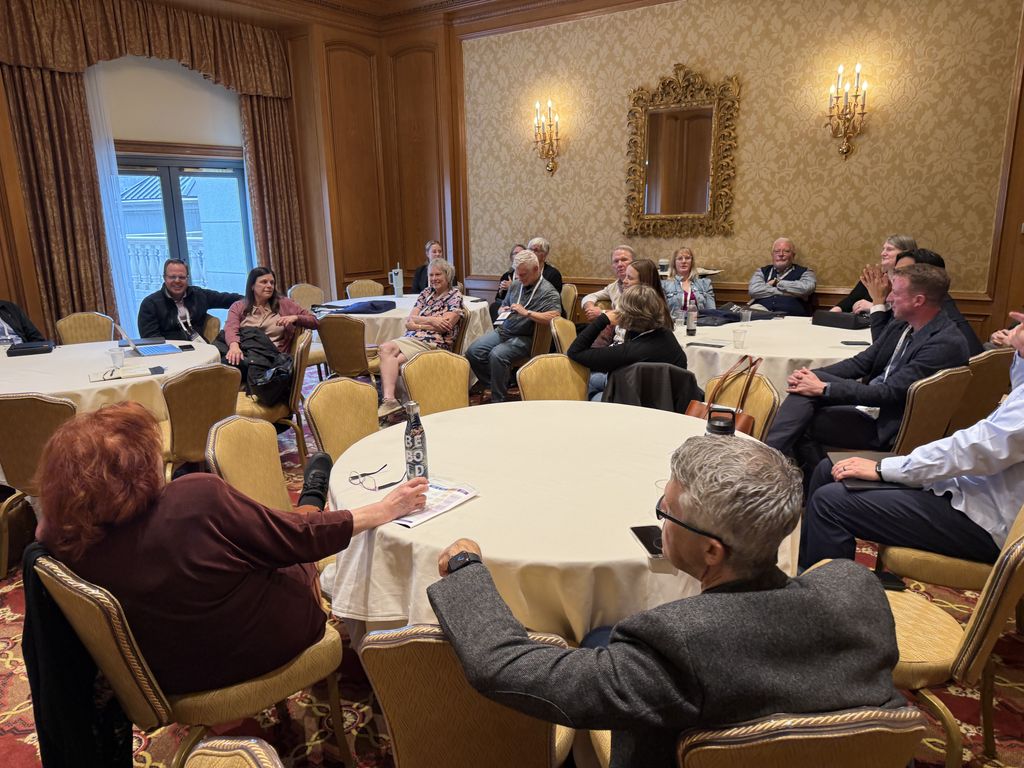
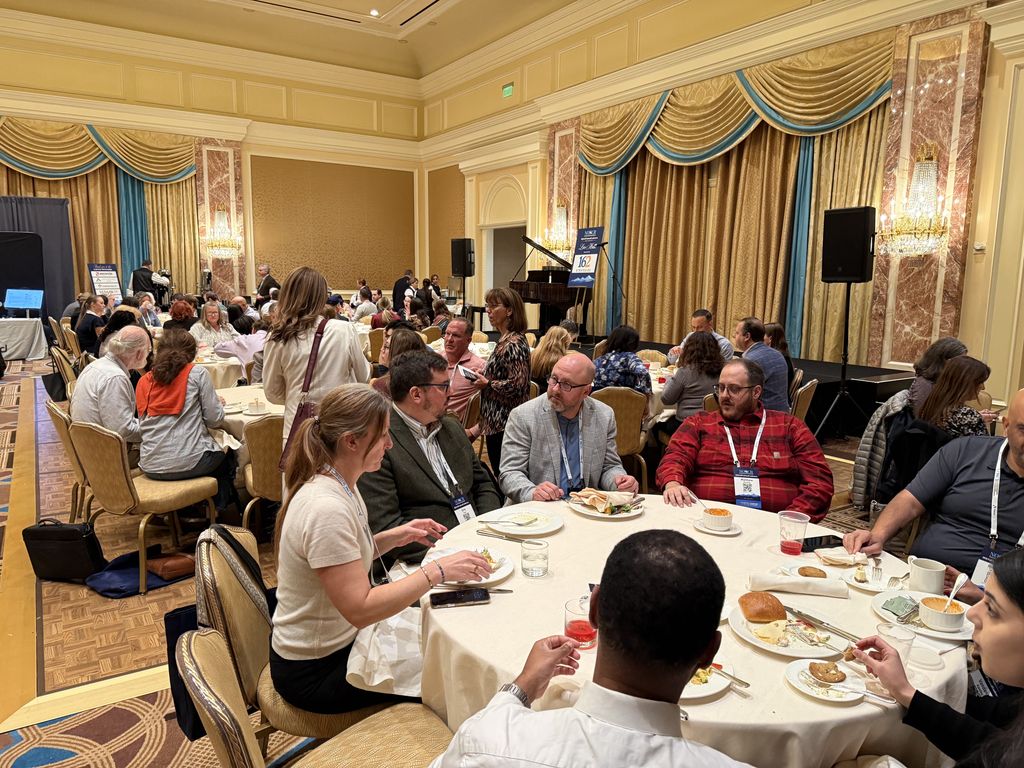
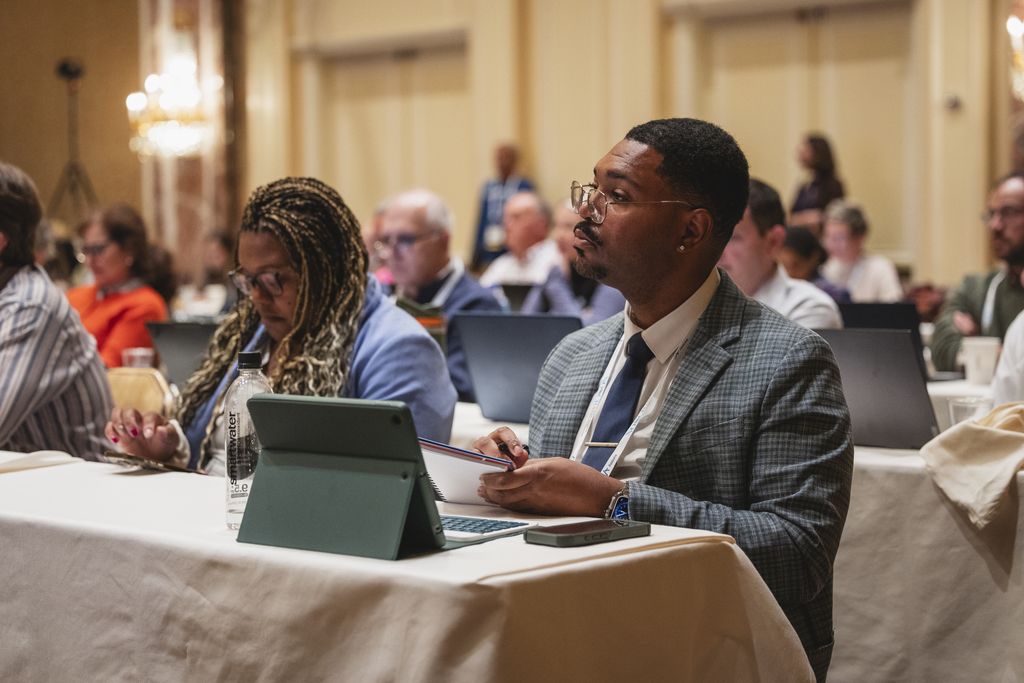
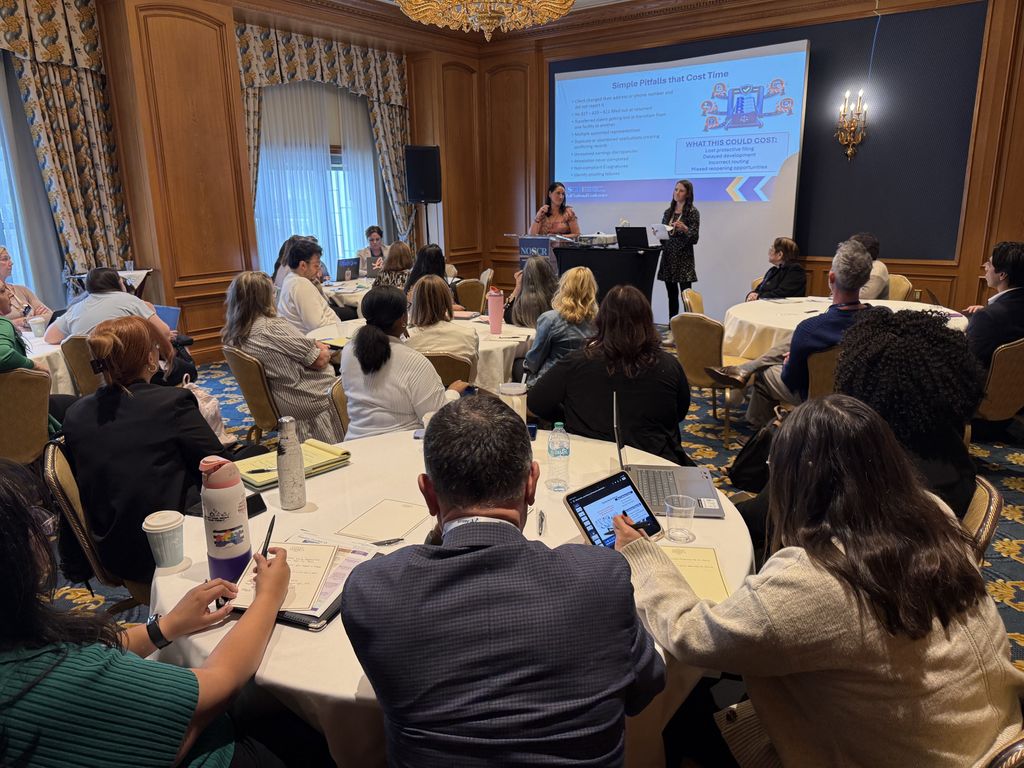
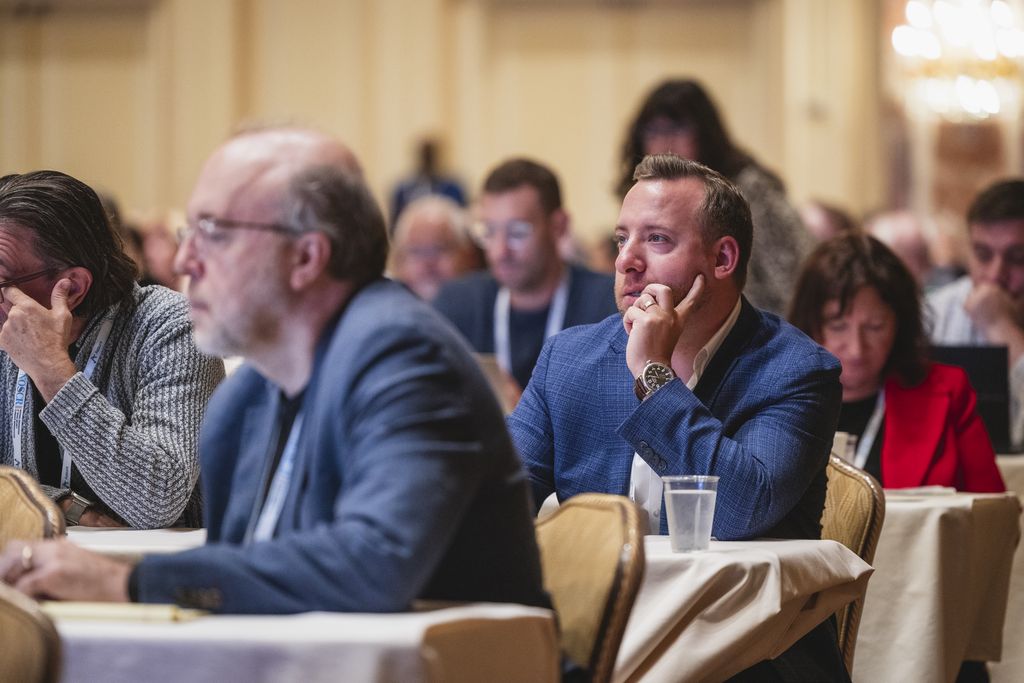
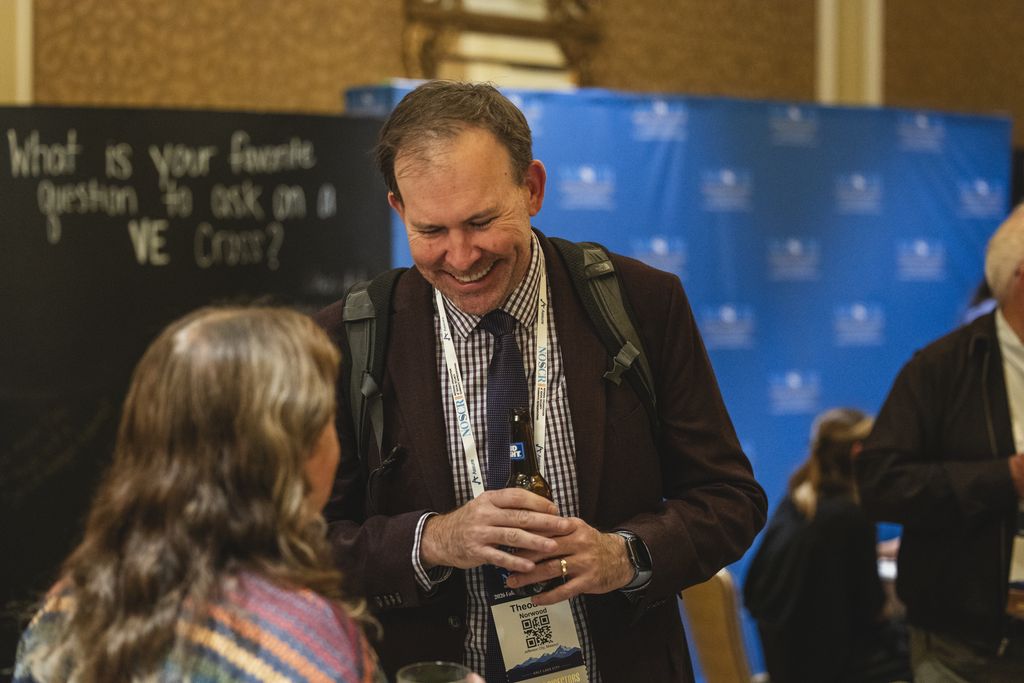
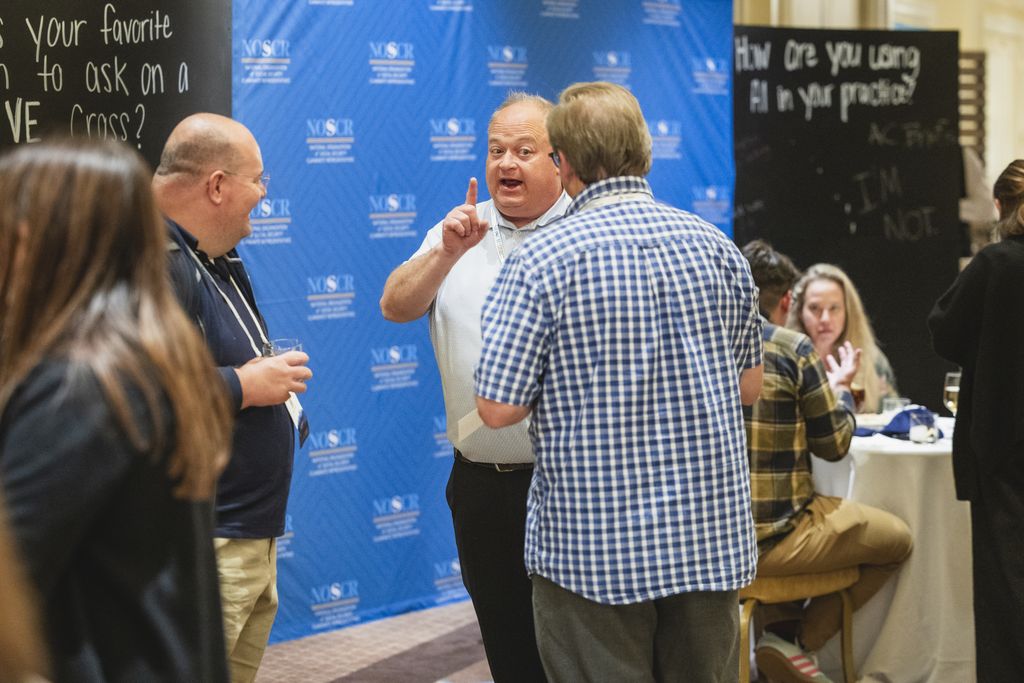
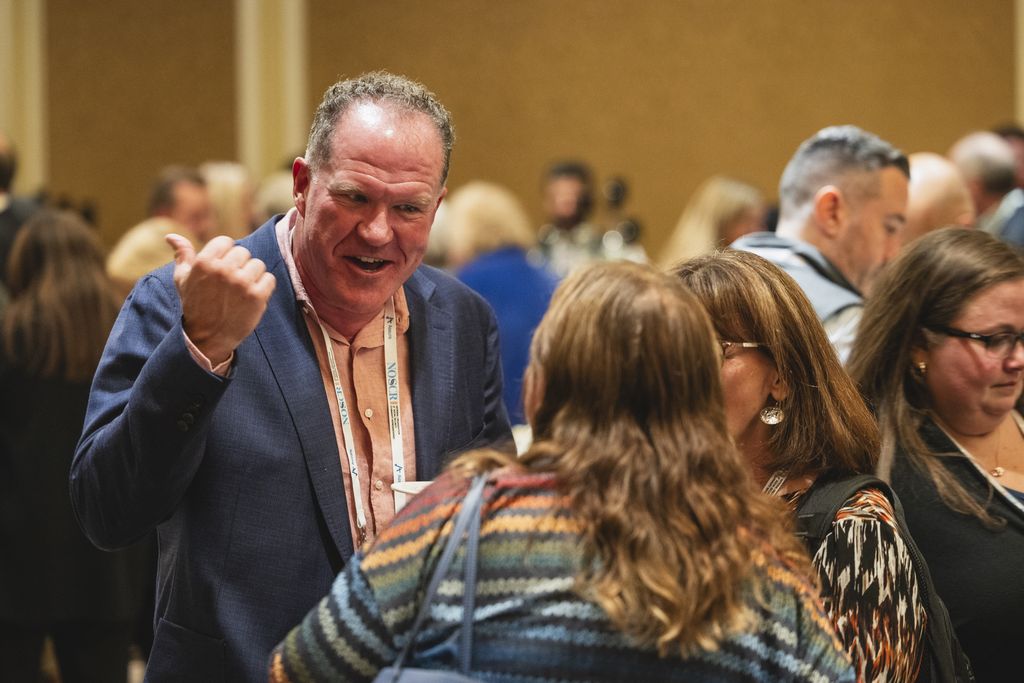
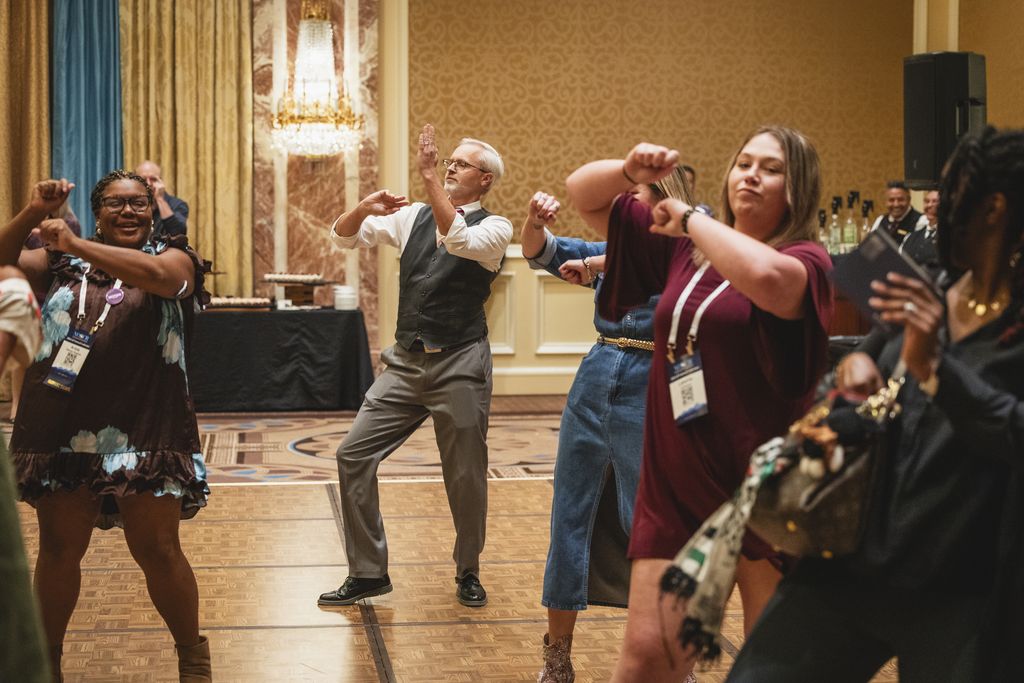
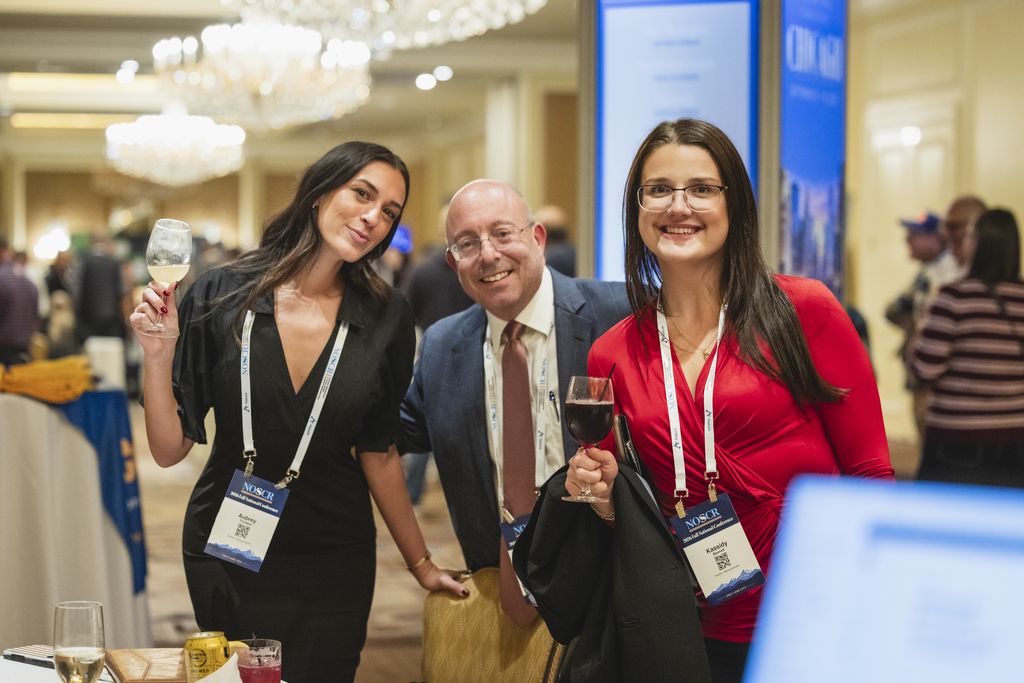
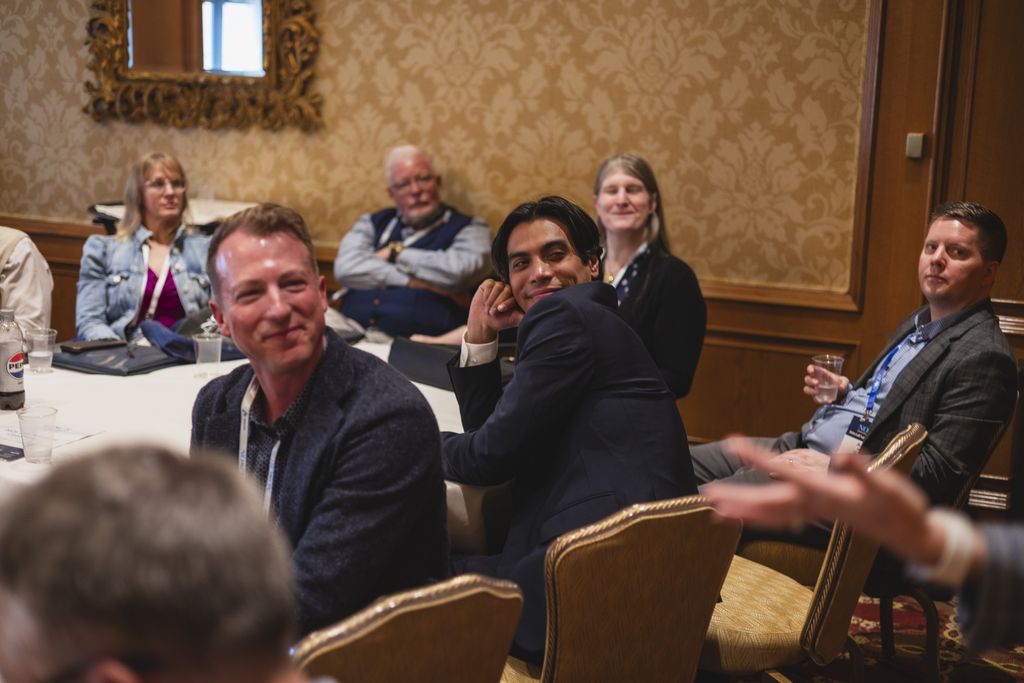
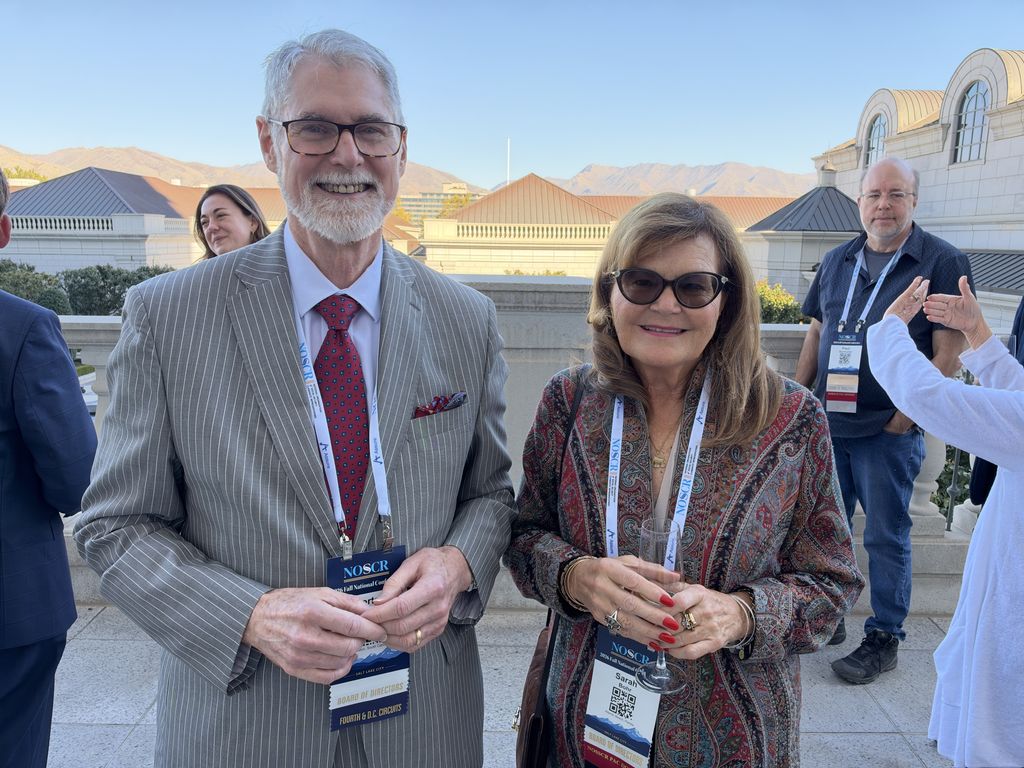
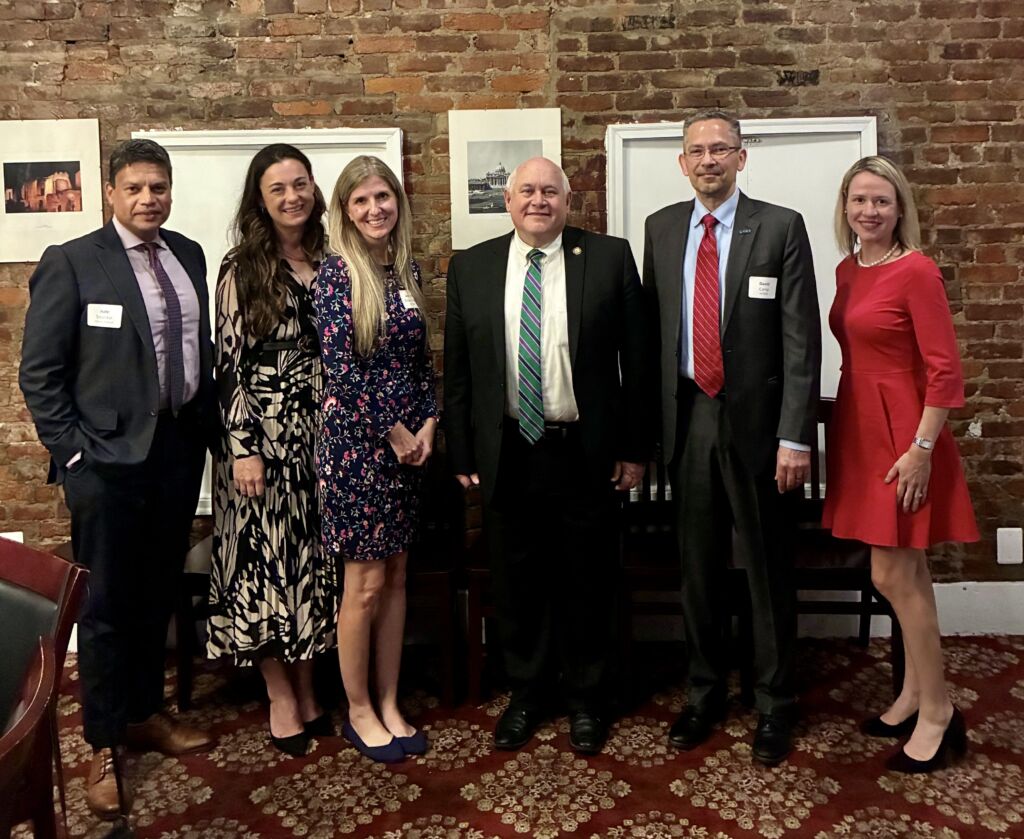
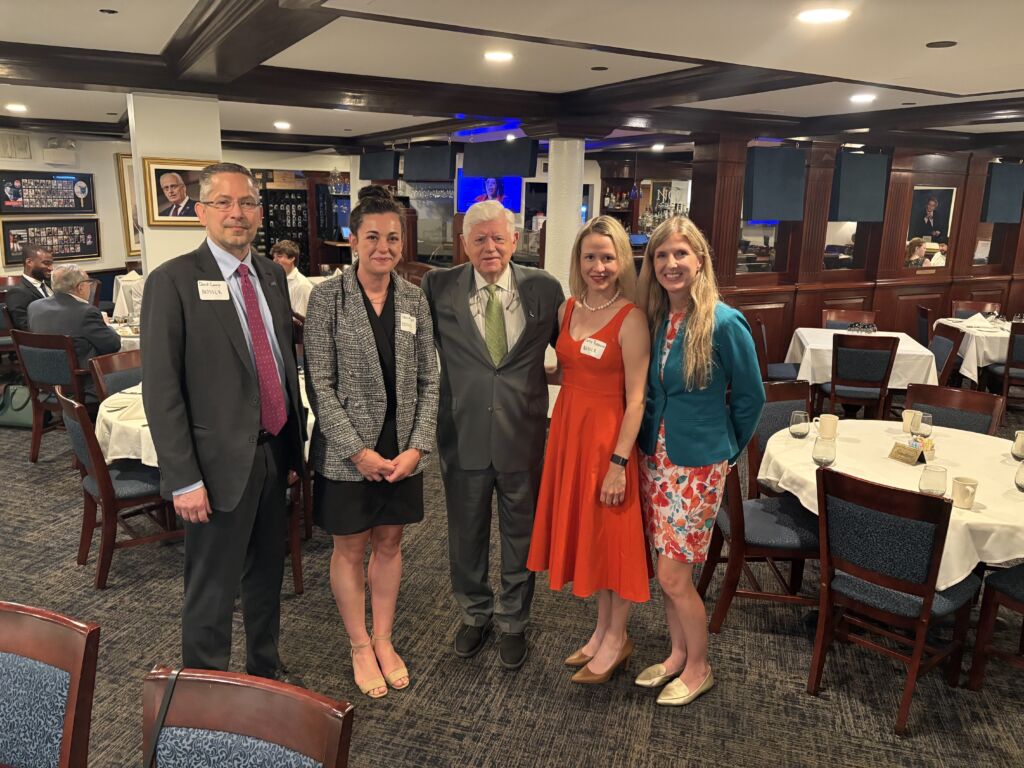
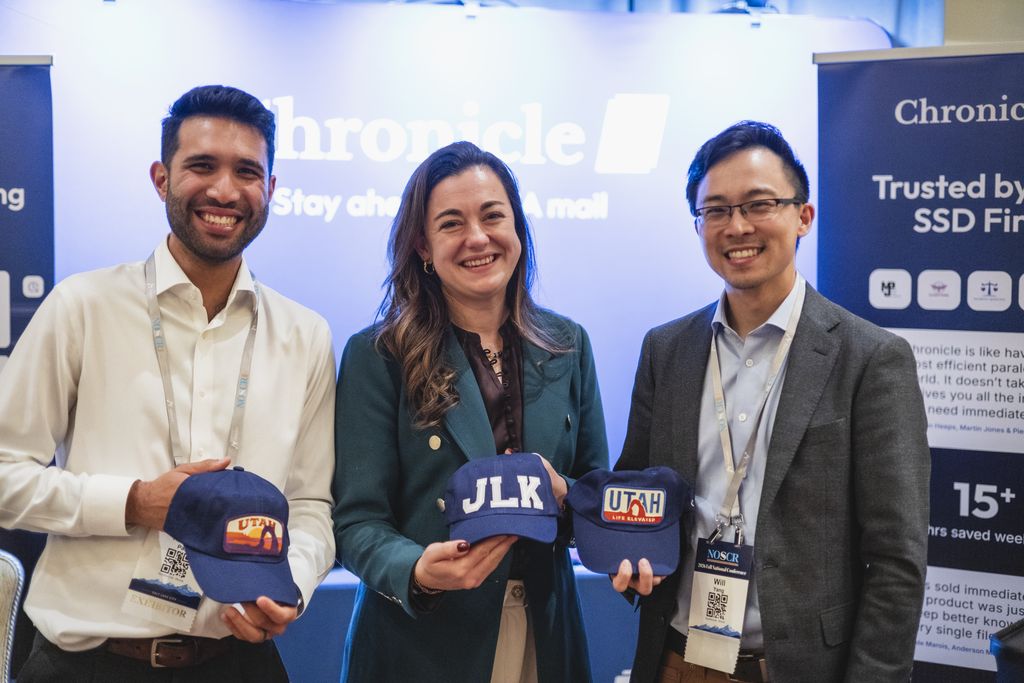
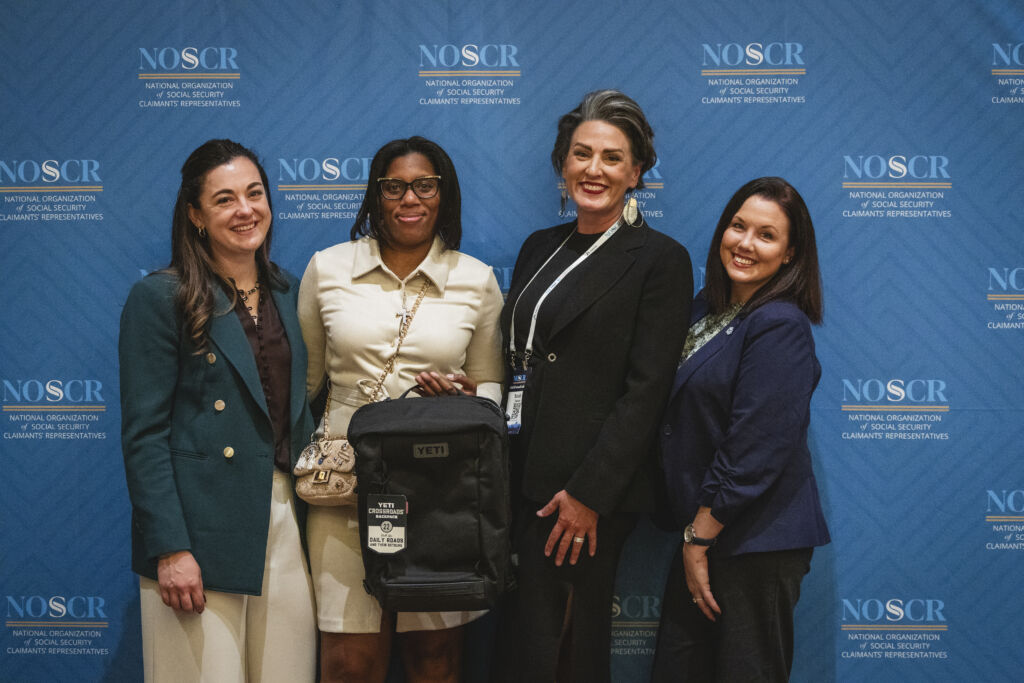
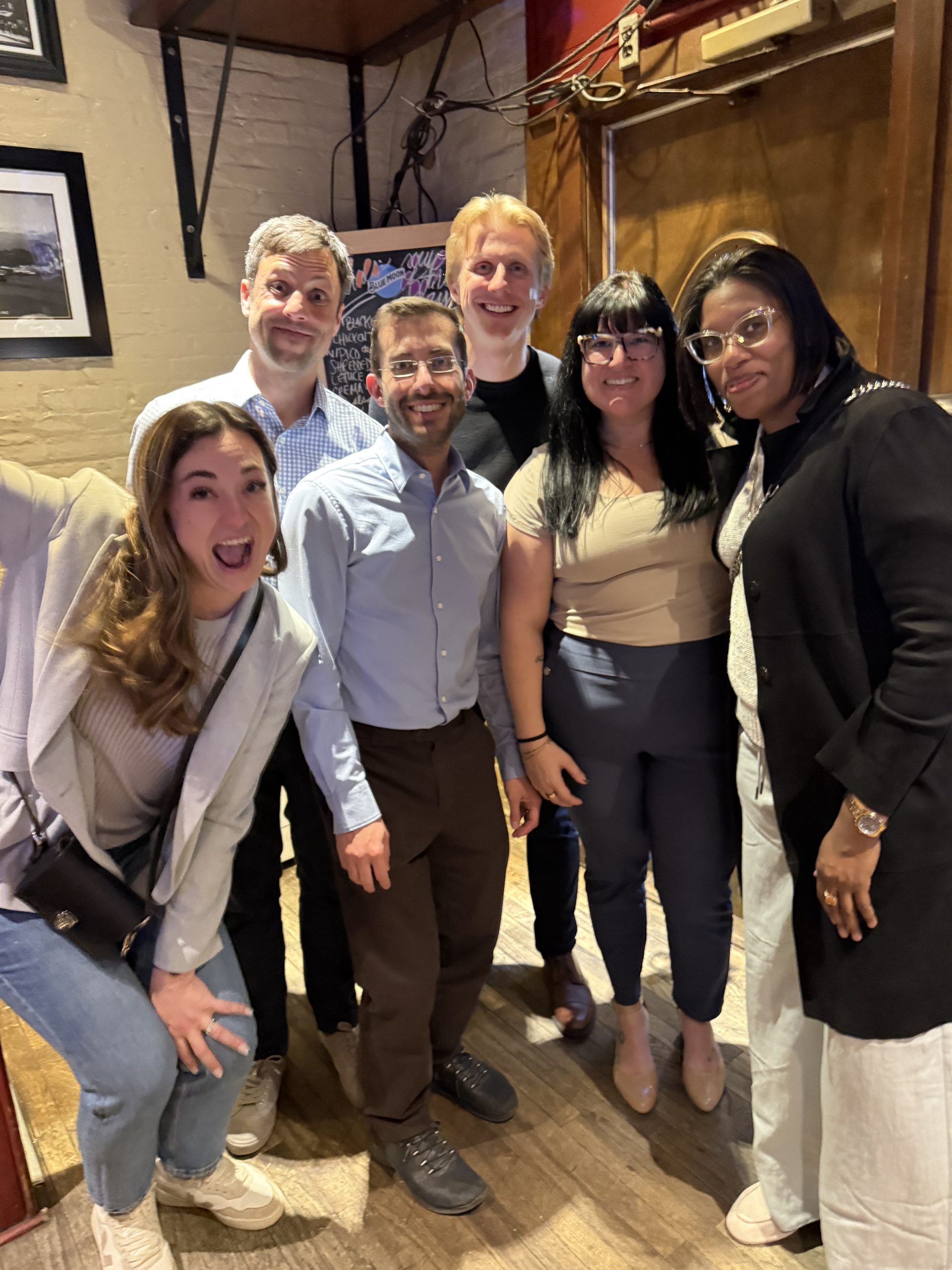
Scenes from Salt Lake City 2026













Dispatches from Camp: NOSSCR PAC Grows
David Camp, NOSSCR Senior Policy Advisor
One of the many tools used by NOSSCR to advance our mission is a member-funded “NOSSCR PAC.” As we prepare for consequential elections on Tuesday, we want to take this moment to remind you of this effective way we protect and advance this profession. Congress doesn’t only pass laws that alter Social Security, the oversight function of individual members and key committees has a significant effect on the policies and priorities at SSA. Our PAC keeps us strong and connected to that work. The PAC has taken in more than $100,000 since January 2025, and we’re excited to confirm that—as of the contributions received during our Salt Lake conference–the PAC can now boast more than 100 individual donors! We’ve added more than 20 regular donors since our Baltimore conference.
Why a PAC Matters to Your Caseload
Every issue we raise on the Hill starts with a conversation: asset limits that trap SSI recipients in poverty, the marriage penalty, delays in getting records, the security of the information we entrust to the agency. Those conversations happen more easily when we already have relationships with the members and staff who handle Social Security issues, and the PAC is one way we build them.
The PAC is one tool for building those relationships. I have said before that NOSSCR is nonpartisan and has connections to both Democrats and Republicans, and that the PAC expands our capacity to educate and connect. That remains true today, with your support.
How the PAC Is Set Up
The NOSSCR PAC is connected to NOSSCR but is legally separate, and NOSSCR manages it. By its rules, a majority of the PAC board must be NOSSCR board members, and every PAC board member must be a PAC donor. Current NOSSCR President Rob Wendt and Vice President Ted Norwood are great examples–both support the PAC with regular contributions.
What the PAC Has Done in Person Recently
At our Salt Lake City conference earlier in October we hosted an event for Ben McAdams, the former member of congress hoping to return by representing the Utah-1 district. He spoke with our donors and gave us a preview of his legislative priorities, while inviting NOSSCR’s involvement. At our spring conference in Baltimore in April, the PAC held a reception and fundraiser for Representative Sarah Elfreth (MD-3). Events like these give members a chance to speak with a lawmaker directly, delivering descriptions of our priorities in a personal way that cannot be matched with impersonal online donations.
This reflects a decision our board made back in 2022, outlining a new political advocacy strategy that emphasizes building relationships with in-person engagment.
Giving to the PAC
Contributions are voluntary, and I encourage you to log in as a NOSSCR member and visit our donation page here: https://nosscr.memberclicks.net/index.php?option=com_mcform&view=ngforms&id=2274825#!/. Contribution levels are only suggestions, and you are free to give more or less. Monthly recurring donations are preferred.
What Comes Next
The upcoming elections could reshape committee leadership and the legislative vehicles available to us in 2027. Relationships built now are the ones we will draw on then, whichever party holds the gavel. The PAC’s growth is a good start, and broader participation among our members would make it stronger. And for all of those who have already opened their wallets to become a PAC supporter, we thank you!
Contributions to the National Organization of Social Security Claimants’ Representatives PAC (NOSSCR PAC) are not tax-deductible as a charitable contribution for federal income tax purposes. Contributions to NOSSCR PAC will be used to support federal and state candidates, political parties, and other political committees. Contributions are strictly voluntary. You may refuse to contribute without reprisal. Any proposed contribution level is merely a suggestion, and you are free to contribute more or less than suggested. You will not benefit or be disadvantaged by reason of the amount of your contribution or a decision not to contribute. Federal law requires NOSSCR PAC to use its best efforts to collect and report the name, mailing address, occupation and employer of persons whose contributions exceed $200 in a calendar year. You must be a U.S. citizen or lawfully admitted for permanent residence in the U.S. to contribute.


For daily updates on the latest Social Security happenings, follow me:
PAC Contributor List

As of October 2026
First Circuit
L. David Ferrari (CC)
Michael Levin (CC)
Sandra Serra (CC)
Second Circuit
Crysti Farra (CC)
Sarah Frederick (CC)
Maurice David Maitland
Lino Medina Mendez
Katrina Tomer (CC)
Third Circuit
Marianne Brown (CC)
MaryJean Ellis
Rich Frankel (CAP)
Melissa Green
Alicia Hutchinson (CC)
Sheryl Mazur (CC)
Timothy Mello (CC)
Judson Perry (CC)
Alan Polonsky (CAP)
Joseph Silver
Christine Trotz-Cosgrove (CC)
Fourth Circuit
Derrick Arrowood (CC)
Jonathan Biser (CC)
Russell Bowling (CC)
Timothy Clardy (CC)
Ben Clauson (DC)
Vaughn Clauson (DC)
Rick Fleming (DC)
Brian Gillette (CC)
Charlotte Hall C (CC)
Ashley Hartman Sappenfield (CC)
Christine Latona
George Piemonte (CC)
Michelle Pritchard (CC)
Crystal Rouse (CC)
Andrew Sindler (CC)
Joanna Suyes (CC)
Laura Beth Waller (CC)
Rob Wendt (PC)
Fifth Circuit
Paul Burkhalter (CC)
Matthew Edwards
John Heard (CAP)
Jacob Hugentobler (CC)
Patrick O’Neal (CC)
David Pogue (CC)
David White (CC)
Sixth Circuit
Edward Ahlers (CC)
Gary Bimberg (CAP)
Donald Busta (PC)
Lorenzo D’Agostini (PC)
Bobby Ficklin
Joseph Houle (PC)
Michael Rake (DC)
Debra Shifrin (CAP)
Donna Simpson (CC)
Seventh Circuit
Eric Farr (CC)
Richard Feingold (CC)
Brian Harmon (PC)
Cody Marvin (DC)
Avram Sacks (CC)
Lindsay Solon (CC)
Thomas Thompson (CC)
Key:
CAP=Capitol Club, $5,000/monthly contribution of $416
PC=Platinum Club, $2,500-$4,999/ monthly contribution of $208-415
DC=Diamond Club, $1,000-$2,499/monthly contribution of $83-207
CC=Century Club, $100-$999
C=Contributor, all other contributions
Eighth Circuit
Jeffrey Bunten (PC)
Julie Burkett (CC)
David Camp (CAP)
Patrick Cavanaugh (CAP)
Sean Cuddigan (PC)
Hugh Field (DC)
Meghan Gallo (DC)
Matthew Grundy (CC)
Ted Norwood (PC)
Daniel Parmele (CAP)
J. Asha Sharma
Michael Tracy (CC)
Timothy Tripp (DC)
Felicia Von Holten
Frank Williams (CC)
Ninth Circuit
Mark Bunch (DC)
Sara Carroll (DC)
Paul Clark (CC)
Mary Fowler (CC)
Richard Gutstadt (CAP)
Marc Kalagian (DC)
Kevin Kerr (DC)
Audrey Miller
Eric Penar (DC)
Maggie Schott (CC)
Jose Vera (CC)
Timothy Walker-Dupler (CC)
Tenth Circuit
Ann Atkinson (DC)
Jay Barnes (DC)
Dan Bott (PC)
John Harlan (CC)
Nick Huntsman (PC)
Gary Jones (CC)
Philip Ryan (PC)
Gayle Troutman (DC)
Steve Troutman (DC)
Eleventh Circuit
Carol Avard (CC)
Jason Bailey (CC)
Sarah Bohr (CC)
Kevin Hall K (CC)
Andrew Koenig (DC)
Doug Mohney (CC)
Marjorie Schmoyer (CC)
Brian Smith (CC)
David Wright (CAP)
Contributions to the National Organization of Social Security Claimants’ Representatives PAC (NOSSCR PAC) are not tax-deductible as a charitable contribution for federal income tax purposes. Contributions to NOSSCR PAC will be used to support federal and state candidates, political parties, and other political committees. Contributions are strictly voluntary. You may refuse to contribute without reprisal. Any proposed contribution level is merely a suggestion, and you are free to contribute more or less than suggested. You will not benefit or be disadvantaged by reason of the amount of your contribution or a decision not to contribute. Federal law requires NOSSCR PAC to use its best efforts to collect and report the name, mailing address, occupation and employer of persons whose contributions exceed $200 in a calendar year. You must be a U.S. citizen or lawfully admitted for permanent residence in the U.S. to contribute.
NOSSCR’s Amicus Committee Weighs In
NOSSCR’s amicus committee filed a brief in the U.S. Court of Appeals for the Fourth Circuit in L.P.N. v. Bisignano, on appeal from the Eastern District of Virginia. The case is about how SSA applies the family maximum to the children of workers who elect to receive early retirement benefits.
When a worker retires early, SSA pays a reduced retirement benefit (RIB), not the full primary insurance amount (PIA). The question is which figure SSA may count against the family maximum. SSA counts the full, unreduced PIA, an amount the retiree never receives, which reduces the benefit payable to the retirees’ children. The district court held that SSA must use the actual, reduced benefit, following the First Circuit’s decision in Parisis by Cooney v. Chater. SSA appealed.
NOSSCR’s brief supports affirmance. It argues that “entitled,” in the family-maximum provision, means the benefit a beneficiary is eligible to receive–not a theoretical amount available under different circumstances–and the Supreme Court’s recent decision in Advocate Christ Medical Center v. Kennedy confirms that reading. The brief also explains that Congress set children’s benefits at half the worker’s PIA and deliberately placed them outside of the early-retirement reduction. On the class cross-appeal, the brief argues that the annual cost-of-living (COLA) letters SSA sends are appealable initial determinations, so children who received them during the class period have timely claims and belong in the class.
The calculation at issue recurs across NOSSCR members’ practices, and the outcome affects the benefits of children of early retirees nationwide.
The brief is included here.
Join Us in 2027: Lock in at the Early Bird Rate
Missed the Conference Week Special? Never Fear!
The early bird rate is now in effect, so you can still lock in discounted pricing for 2027. Join us for our Spring Conference in Orlando from May 18-21, 2027 and our Fall Conference in Chicago from September 13-16, 2027. Register today for either (or both!) conferences and save.
Want an even bigger discount? Submit a proposal to speak in Orlando. Selected speakers receive additional savings. Chicago speaker proposals will open after the Orlando conference wraps up.


Take the Stage in Orlando: CLE, Workshops, Staff Track
Inspired by what you saw in Salt Lake City? Wish something else had been on the agenda? We want to hear from you. Our Spring 2027 Conference in Orlando (May 18-21, 2027) is taking shape, and the best sessions come from members who know the work firsthand. Whether you have a practice tip, a case strategy, or a topic you think deserves the spotlight, we’d love to see your idea. Proposals are being accepted now through January 15, 2027.
In order to offer a diverse portfolio of programming, we are accepting three different types of proposals for the upcoming conference:
- Standard main-stage CLE presentations
- Smaller more interactive workshop sessions
- Staff track programming intended for those supporting representatives in the practice of Social Security disability
Please reach out with any questions – we can’t wait to see what you propose!

SSI Childhood Disability has Been Helping Kids for 50 Years: How You Can Help Disabled Children Obtain SSI
Tom Krause, NOSSCR Lifetime Member
Introduction
Roughly one million children now receive Supplemental Security Income (SSI) disability benefits, about 13.5 percent of all SSI recipients according to the Congressional Research Service. They are children with serious physical and mental impairments in low-income households, and for them and their families, SSI can be a big help. And your knowledge and experience can help you help these children obtain SSI Childhood Disability benefits.
Monthly SSI payments help families meet basic needs and the added costs of a disability. In most states, the award also brings Medicaid coverage, and the program’s rules reserve large back payments for the child’s treatment and education. Childhood SSI claims are governed by a standard that looks much different from the adult rules most of us work with every day. There is no residual functional capacity, no past relevant work, and no grid. Instead, adjudicators ask how a child functions compared with same-age peers who do not have impairments.
That standard is the product of more than fifty years of statute, litigation, and regulatory revision. This article begins with what SSI does for a disabled child, then traces that history from the 1972 statute through Sullivan v. Zebley and the 1996 welfare-reform amendments to the present day. It then walks through how SSA decides a child’s claim today and closes with a practical point: in a childhood case, as in an adult case, a well-supported Medical Source Statement is often the most important document in the file. An appendix lists the Social Security Rulings and sources on childhood disability.
What SSI does for a disabled child
Congress included children in SSI deliberately. The House Ways and Means Committee report on the 1972 legislation described disabled children in low-income households as “among the most disadvantaged of all Americans” and said they deserved “special assistance in order to help them become self-supporting members of our society.”
The most direct help is the monthly payment. For 2026 the federal benefit rate is $994 a month, and the average child payment in December 2024 was about $813. Help can also begin before the claim is decided. Under the presumptive disability rules, a child with a condition such as total blindness, total deafness, cerebral palsy, Down syndrome, muscular dystrophy, a severe intellectual disorder (age four or older), or a birth weight under 2 pounds 10 ounces can receive up to six months of payments while the state agency decides the claim. Those payments are not treated as an overpayment if the child is later found not disabled.
The second form of help is health care. In most states, a child who receives SSI can get Medicaid, in some cases automatically; in others the family must apply separately. SSA also refers families of children on SSI to their state’s program for children with special health care needs, which serves children through clinics, private offices, hospital programs, and community agencies.
The program also keeps the money focused on the child. When a child is owed back benefits of more than six times the monthly benefit rate, the representative payee must open a dedicated account, and the funds may be spent only on allowable expenses such as medical treatment, education, and job skills training. At a continuing disability review, the payee must show that the child has been receiving medically necessary and available treatment, unless the condition is not amenable to treatment. A payee who refuses without good cause can be replaced.
The original statutory basis
Congress created SSI in the Social Security Amendments of 1972, Pub. L. No. 92-603, signed October 30, 1972. The program began paying benefits in January 1974, replacing the state-run adult assistance programs for the aged, blind, and disabled. Unlike Title II disability, SSI was designed to reach people with little or no work history, which made it possible to include children.
The statute defined adult disability in the familiar way: inability to engage in any substantial gainful activity because of a medically determinable impairment expected to last at least twelve months or to result in death. For children, Congress added a single clause. A child under 18 was disabled if he or she suffered from “any medically determinable physical or mental impairment of comparable severity.” The statute did not say how comparable severity was to be measured, and that silence set the stage for nearly two decades of conflict.
SSA’s answer was the childhood listings. Under the pre-1990 regulations, a child whose impairment met or medically equaled a listed impairment was found disabled. A child whose impairment did not meet or equal a listing was found not disabled, without any individualized look at how the impairment actually affected the child’s functioning. Adults who missed the listings could still prevail at steps four and five on the basis of their residual functional capacity, age, education, and work experience. Children had no equivalent path. For a child, the listings were the beginning and the end of the inquiry.
The Zebley litigation
The challenge to the listings-only approach came from Community Legal Services (CLS) of Philadelphia. In 1983, CLS filed a class action in the U.S. District Court for the Eastern District of Pennsylvania on behalf of Brian Zebley and other children who had been denied SSI. On January 10, 1984, the district court certified a nationwide class of children whose claims had been or would be denied or terminated under the childhood disability rules.
The case did not start well. In 1986 the district court granted summary judgment to the Secretary of Health and Human Services, finding the regulations facially valid (642 F. Supp. 220). The Third Circuit reversed in part in 1988 (855 F.2d 67), holding that the class was entitled to summary judgment on its claim that children must receive an individualized functional assessment. The Supreme Court granted certiorari to resolve a circuit split.
The CLS team that carried the case for nearly seven years included NOSSCR members Jonathan Stein, Richard Weishaupt, and former NOSSCR President Thomas D. (Tom) Sutton, also of CLS, were on the respondents’ brief.
On February 20, 1990, the Court ruled 7–2 for the class in Sullivan v. Zebley, 493 U.S. 521 (1990). Writing for the majority, Justice Blackmun held that the regulations were “simply inconsistent with the statutory standard of ‘comparable severity'” and “manifestly contrary to the statute.” The Court reasoned that no set of listings, however carefully drawn, could capture every child whose impairments were as severe as those that would disable an adult. An adult who missed the listings could still show disability through a functional, vocational analysis; a child needed some comparable opportunity. The Court also rejected the argument that functional assessment of children was impractical, pointing to inquiries into ordinary activities such as feeding, dressing, and attending school. Justice White, joined by Chief Justice Rehnquist, dissented.
The practical consequences were enormous. SSA was required to readjudicate claims denied or terminated on medical grounds dating back to January 1, 1980. Stein has described Zebley as the largest class action ever brought against the Social Security Administration. By his account, it extended benefits and Medicaid to more than 500,000 additional children and produced retroactive awards for about 153,000 class members.
Subsequent history
SSA first adopted an interim standard for pending claims under a May 3, 1990 stipulation and order. On February 11, 1991, it published new childhood regulations that added a functional equivalence analysis built on an individualized functional assessment, or IFA. Under the IFA, a child generally qualified with moderate limitations in three areas of functioning, or a marked limitation in one area and a moderate limitation in another. A second stipulation and order on March 14, 1991 set the terms of class relief, and notices went out to potential class members that summer. SSA also revised the childhood mental listings in 1990.
The child caseload grew quickly. CRS reports roughly 265,000 child recipients in December 1989 and about 917,000 by December 1995. CRS attributes the growth to Zebley itself, the 1990 mental listings, post-Zebley outreach, and rising child poverty.
President Clinton signed the Personal Responsibility and Work Opportunity Reconciliation Act of 1996 (PRWORA), Pub. L. No. 104-193, on August 22, 1996. PRWORA replaced “comparable severity” with the standard that governs today: a child under 18 is disabled if he or she has a medically determinable physical or mental impairment “which results in marked and severe functional limitations” and which can be expected to result in death or has lasted or can be expected to last at least twelve months. It required redeterminations under the adult rules at age 18, continuing disability reviews at least every three years for children whose impairments were likely to improve, and a review by age one for infants whose low birth weight was material to the disability finding.
SSA implemented PRWORA through interim final rules published February 11, 1997 and final rules published September 11, 2000. The final rules created the six-domain framework for functional equivalence that remains in place today. In 2009, SSA issued a series of rulings, SSR 09-1p through SSR 09-8p, effective in March 2009. SSR 09-1p describes the “whole child” approach to functional equivalence, and SSRs 09-3p through 09-8p explain each of the six domains.
Where things stand today
The statutory standard has not changed since 1996. The SSI Childhood Disability stood at about 1,002,887 in December 2024, with an average monthly payment of about $813. That year SSA paid about $10.3 billion to child recipients. In 2023, 294,129 children applied, and 56.2% of those with a DDS determination were allowed at the initial level. For 2026, the maximum federal benefit rate is $994 per month.
The main regulatory activity has come at the edges of the program. Effective March 23, 2026, SSR 26-1p rescinds and replaces SSR 05-3p on continuing disability reviews for children. Because functional equivalence is no longer tied to a specific listing, SSA now considers it once, at step 3 of the review, rather than at both steps 2 and 3. Separately, effective October 1, 2026, SSR 26-2p rescinds and replaces SSR 11-2p on documenting and evaluating disability in young adults, defined as people aged 18 to approximately 25. The new ruling applies, with some exceptions, to age-18 redeterminations. It confirms that SSA evaluates a young adult under the adult standard used for initial claims, rather than the medical improvement standard. It also notes that a child’s impairment that met a childhood listing “will often meet or medically equal a part A listing at age 18, unless the impairment(s) has medically improved.” For practitioners, its most useful passages concern school evidence. SSA will not equate achievement of an IEP goal with the ability to perform basic work activities without asking whether supports and accommodations made that achievement possible, and receipt of accommodations may itself indicate a work-setting limitation. Recent IEPs will frequently be relevant in age-18 redeterminations.
How SSA decides a child’s claim today
The childhood rules are found principally at 20 C.F.R. §§ 416.924 through 416.926a, with the six domains explained in SSRs 09-1p through 09-8p. SSA uses a three-step sequential evaluation, and each step can end the inquiry.
At step one, SSA asks whether the child is engaging in substantial gainful activity. Few children are, but an adolescent with significant earnings will be found not disabled regardless of medical severity. At step two, SSA asks whether the child has a medically determinable impairment or combination of impairments that is severe. At step three, SSA asks whether the impairment meets, medically equals, or functionally equals the listings. The twelve-month duration requirement applies throughout.
Functional equivalence, under 20 C.F.R. § 416.926a, is where most contested childhood cases are won or lost. An impairment functionally equals the listings if it causes “marked” limitations in two domains or an “extreme” limitation in one. The six domains are acquiring and using information; attending and completing tasks; interacting and relating with others; moving about and manipulating objects; caring for yourself; and health and physical well-being.
A “marked” limitation is one that “interferes seriously” with the child’s ability to independently initiate, sustain, or complete activities. It is “more than moderate” but “less than extreme,” and corresponds to standardized test scores at least two, but less than three, standard deviations below the mean. An “extreme” limitation “interferes very seriously” with those abilities and corresponds to scores at least three standard deviations below the mean, though it “does not necessarily mean a total lack or loss of ability to function.” For children under age three without standardized scores, a marked limitation generally means functioning at more than one-half but not more than two-thirds of chronological age, and an extreme limitation means functioning at one-half of chronological age or less. SSA will not rely on a test score alone. The health and physical well-being domain has its own frequency test: a marked limitation may be found where episodes of illness or exacerbation occur on average three times a year, or once every four months, each lasting two weeks or more.
The benchmark throughout is the child’s peers. SSA compares the child with same-age children who do not have impairments, asking “how appropriately, effectively, and independently” the child performs age-appropriate activities. The regulations divide childhood into five age groups and describe typical functioning in each domain for each group, except the health and physical well-being domain, which has no age-group descriptors.
| Age group in 20 C.F.R. § 416.926a | Ages covered |
| Newborns and young infants | Birth to attainment of age 1 |
| Older infants and toddlers | Age 1 to attainment of age 3 |
| Preschool children | Age 3 to attainment of age 6 |
| School-age children | Age 6 to attainment of age 12 |
| Adolescents | Age 12 to attainment of age 18 |
Several other rules shape the analysis. Under SSR 09-1p’s “whole child” approach, SSA looks first at the child’s activities “at home, at school, and in your community” and then asks which domains those activities involve; “it is incorrect to assume that the effects of a particular medical impairment must be rated in only one domain.” Under 20 C.F.R. § 416.924a(b)(5), SSA must consider how well the child functions with extra help, adaptations, medication, or a structured or supportive setting, and how the child would function without them. A child who does well only in a special-education classroom or with constant parental supervision is not functioning independently. For premature infants, SSA uses a corrected chronological age under 20 C.F.R. § 416.924b(b). And 20 C.F.R. § 416.926a(m) lists examples of impairments that functionally equal the listings, including a physical impairment causing complete inability to function independently outside the home within age-appropriate norms and a need for 24-hour-a-day supervision for medical, including psychological, reasons.
The Medical Source Statement in childhood cases
In the September 2026 issue of the Forum, Neil H. Good and Shawn M. Good made the case that the Medical Source Statement is the single most important document in your client’s file. Their reasoning applies with special force to children. Under the evidence rules at 20 C.F.R. § 416.920c, SSA weighs medical opinions chiefly for supportability and consistency, so an opinion that explains itself and ties its conclusions to clinical findings carries the most weight. As the Goods put it, “The MSS is not a formality,” and without it a treating source’s knowledge “dies in the treatment record, untranslated and often unnoticed.”
That translation problem is acute in childhood claims. State agency reviewers complete Form SSA-538, the Childhood Disability Evaluation Form. A pediatrician, child psychiatrist, psychologist, or developmental specialist who has followed the child over time is far better placed to answer those questions, but will do so only if asked. A generic adult RFC form asks the wrong questions entirely: a toddler has no lifting capacity or off-task percentage to report.
To address this, we have prepared five Medical Source Statement templates for childhood SSI claims. They are attached to this article and are available to all readers as downloadable Microsoft Word files, so you can adapt them to your own practice. There is one template for each of the regulatory age groups: birth to age 1, ages 1 to 3, ages 3 to 6, ages 6 to 12, and ages 12 to 18. Each is built directly on the regulations so the physician is answering the questions the adjudicator must decide. Each form begins with plain-language instructions explaining that SSA compares the child with unimpaired same-age peers and that the physician should rate how the child would function without extra help, medication, or a structured setting. It sets out the regulatory definitions of “marked” and “extreme,” including the standard-deviation equivalents and, on the two forms for children under age three, the fraction-of-chronological-age measures.
A few practice points will make the forms more effective. Choose the template for the child’s age at the time the physician completes it, and consider a second statement if the child crosses into a new age group while the claim is pending. Send the form with a short cover letter that explains the request in plain terms, as the Goods recommend for adult cases, and emphasize that the explanations matter more than the checkmarks. Encourage the physician to check “unable to assess” rather than guess, since an unsupported rating invites an adjudicator to discount the whole statement. Finally, pair the MSS with school evidence, including a Teacher Questionnaire (SSA-5665-BK), IEPs, and Section 504 plans. A medical opinion that is consistent with what teachers observe in the classroom is hard to discount.
A word to the private bar
Zebley was won by legal services lawyers, and legal aid programs still carry much of the childhood SSI caseload. Their capacity is limited, however, and many families with disabled children never find a representative at all. Private practitioners can help close that gap, and NOSSCR encourages it members to take on childhood SSI cases, either pro bono or with the clear understanding that the fee may be modest or absent.
The economics are worth being candid about. SSI is not payable for any month before the month after the application is filed, so there is no retroactive period before filing to enlarge past-due benefits. Parental income and resources are deemed to the child, which can reduce the monthly payment. And under the fee agreement process, the fee is limited to 25 percent of past-due benefits, up to the current cap of $9,200, so in many childhood cases the fee will fall well below that cap. The return on these cases is measured in what the child gains: a monthly income that helps the family meet the costs of the disability; in most states, access to Medicaid; and, when back benefits are large, a dedicated account reserved for the child’s treatment and education.
Conclusion
The Zebley advocates established a principle that survived even the 1996 amendments: a child’s disability claim cannot be decided by checking a list. It must turn on how the impairment affects the child’s real-world functioning. Today that principle lives in the functional equivalence rules, the six domains, and the “whole child” approach. Those rules reward evidence that speaks their language. A detailed, age-appropriate Medical Source Statement from a treating source, supported by test results and consistent with school records, is the most direct way to put that evidence in front of the adjudicator. Getting that evidence right matters because of what the child stands to gain: income that helps the family meet the costs of the disability, a path to health coverage, and a measure of financial stability.
Social Security Rulings
| Ruling | Title | Status |
| SSR 91-7c | Sullivan v. Zebley, 110 S. Ct. 885 (1990) (court-case ruling) | Publishes the Supreme Court’s decision; the “comparable severity” standard it construed was replaced by PRWORA in 1996 |
| SSR 98-1p | Title XVI: Determining Medical Equivalence in Childhood Disability Claims When a Child Has Marked Limitations in Cognition and Speech | In force; some listing provisions it cites have since been revised |
| SSR 05-3p | Title XVI: Determining Continuing Disability at Step 2 of the Medical Improvement Review Standard Sequential Evaluation Process for Children Under Age 18 — Functional Equivalence | Rescinded; replaced by SSR 26-1p |
| SSR 09-1p | Title XVI: Determining Childhood Disability Under the Functional Equivalence Rule — The “Whole Child” Approach | In force |
| SSR 09-2p | Title XVI: Determining Childhood Disability — Documenting a Child’s Impairment-Related Limitations | In force |
| SSR 09-3p | Title XVI: Determining Childhood Disability — The Functional Equivalence Domain of “Acquiring and Using Information” | In force |
| SSR 09-4p | Title XVI: Determining Childhood Disability — The Functional Equivalence Domain of “Attending and Completing Tasks” | In force |
| SSR 09-5p | Title XVI: Determining Childhood Disability — “Interacting and Relating with Others” | In force |
| SSR 09-6p | Title XVI: Determining Childhood Disability — The Functional Equivalence Domain of “Moving About and Manipulating Objects” | In force |
| SSR 09-7p | Title XVI: Determining Childhood Disability — The Functional Equivalence Domain of “Caring for Yourself” | In force |
| SSR 09-8p | Title XVI: Determining Childhood Disability — The Functional Equivalence Domain of “Health and Physical Well-Being” | In force |
| SSR 17-2p | Titles II and XVI: Evidence Needed by Adjudicators at the Hearings and Appeals Council Levels of the Administrative Review Process to Make Findings about Medical Equivalence | In force; applies to adult and child claims |
| SSR 26-1p | Title XVI: Determining Continuing Disability at Steps 2 and 3 of the Medical Improvement Review Standard Sequential Evaluation Process for Children Under Age 18 — Functional Equivalence | In force from March 23, 2026 |
| SSR 26-2p | Documenting and Evaluating Disability in Young Adults | In force from October 1, 2026; applies, with some exceptions, to age-18 redeterminations |
Other Sources
- Sullivan v. Zebley, 493 U.S. 521 (1990) (Justia)
- Sullivan v. Zebley (1990) (Legal Aid History)
- HALLEX I-5-4-28, Sullivan v. Zebley (SSA)
- PRWORA at 30: SSI for Children with Disabilities, CRS Report R49011 (June 29, 2026)
- Neil H. Good and Shawn M. Good, The Medical Source Statement: Why It Remains the Single Most Important Document in Your Client’s File (NOSSCR Forum, September 2026)
- SSR 26-1p, Title XVI: Determining Continuing Disability at Steps 2 and 3 of the Medical Improvement Review Standard Sequential Evaluation Process for Children Under Age 18 — Functional Equivalence (SSA)
- Benefits for Children with Disabilities, Pub. No. 05-10026 (SSA, 2026)
Attachments
Free Webinar Next Friday: A Guide to the Ticket to Work Program
Live free webinar. Friday November 6, 2-3pm Eastern.
NOSSCR is pleased to partner with Genex, an Enlyte company, to host an upcoming informational webinar on the Social Security Administration’s Ticket to Work (TTW) program. Building on the strong momentum from this year’s Conferences, this session will provide members with a practical, high-level overview of how TTW can support SSDI and SSI beneficiaries in exploring a safe return to work while maintaining critical benefits.
This live webinar—led by Sarah Deaver, Esq., Senior Director of Disability Programs, and Alyssa Tease, MS, CRC—will walk through key components of the program, including eligibility, common misconceptions, and the protections and work incentives available to beneficiaries. Attendees will gain a clearer understanding of how TTW empowers clients to pursue employment opportunities while preserving essential supports like Medicare and Medicaid, all within a structured and SSA-aligned framework.

Legislative Spotlight: Claiming Age Clarity Act Would Rename Retirement Claiming Ages
David Camp, NOSSCR Senior Policy Advisor
H.R. 5284, the Claiming Age Clarity Act, would replace “full retirement age” and several related terms in SSA’s materials with new labels. It would not change a single benefit amount, reduction factor, or eligibility rule, so the claiming decisions facing your clients with pending DI claims stay exactly as they are. The Senate passed the bill without amendment by unanimous consent which sent it to the President.
This is a minor bill. Whether new terminology changes how claimants decide when to claim is unclear. It also depends on whether the people who advise claimants adopt the new terms, and nothing in the bill requires them to.
Why this matters to your caseload
For most of our members, the bill changes little in day-to-day practice. Clients with pending SSDI claims in their early-to-mid 60s still face the same decisions: whether to claim reduced retirement benefits now, and how that choice interacts with a possible SSDI award. Those rules stay as they are. What may change is the vocabulary clients see in SSA materials and hear from SSA staff when they ask about those choices.
What the bill does
Rep. Lloyd Smucker (R-PA-11) introduced the bill in September 2025. The House Committee on Ways and Means reported it with an amendment, and the House passed it as amended by voice vote on December 1, 2025.
The bill directs the Commissioner to ensure that rules, regulations, guidance, and other materials, online or in print, replace “early eligibility age” with “minimum monthly benefit age.” It replaces “full retirement age” and “normal retirement age” with “standard monthly benefit age.” It retires the term “delayed retirement credit” and refers to age 70 as the “maximum monthly benefit age.”
The text does not name notices, benefit statements, the my Social Security portal, or online calculators individually. It does not mention the SSDI-to-retirement conversion.
SSA must make the changes by the later of 12 months after enactment or January 1, 2027. The text contains no reporting requirements and no funding authorization.
What happens next
If the bill is signed, SSA’s implementation choices will determine how visible the new terms become to claimants. Our advice to clients stays the same.
Our 2026 Exhibit Hall Sold Out, Claim Your 2027 Spot Early
Partner With NOSSCR in Orlando and Chicago
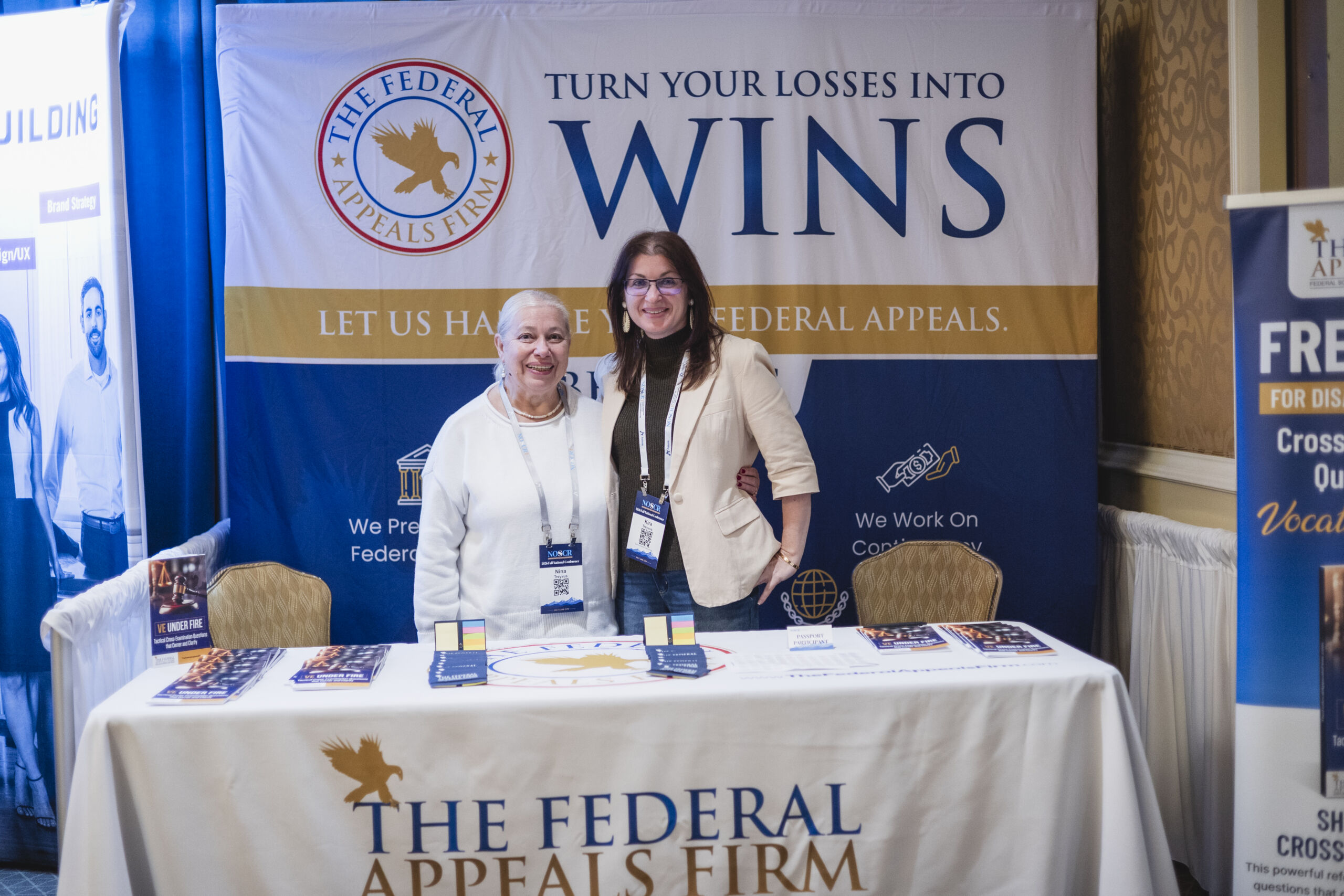
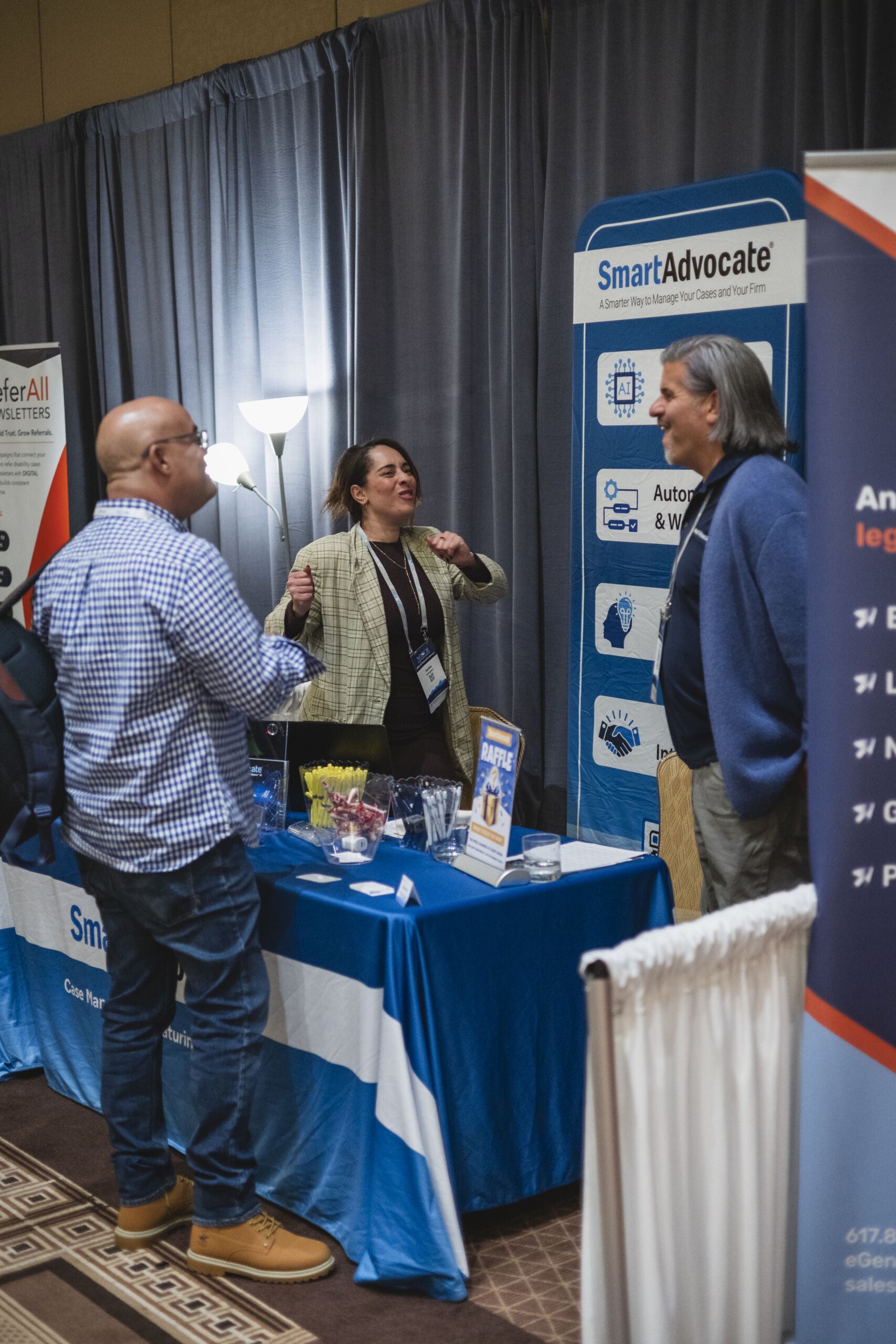
Our 2026 Fall exhibit hall sold out, and 2027 is shaping up to be just as popular. Whether your goal is generating leads, showcasing a product, or building brand awareness, the new prospectus has an option for you. Choose from exhibit booths, signature event sponsorships, branded items, digital and in-app advertising, and year-round webinar sponsorships.
Key dates:
- November 2: Sales open to 2026 partners. Renew by November 30 to keep your spot.
- December 1: Sales open to new partners.
- January 29, 2027: Spring early-rate deadline. Book both conferences and pay in full by this date to take $250 off your Fall exhibit space.
Opportunities are limited and reserved in the order we receive both a signed agreement and full payment, so don’t wait. Questions or interested in a custom package? Contact Esterien Keet at esterien.keet@nosscr.org or (202) 845-8630 ext. 109.






Circuit Court Considerations: Five Pounds, Ten Pounds, and the Eighth Circuit’s “Zone of Choice”
Adriana de la Torre, NOSSCR Sustaining Member
Post v. Bisignano, No. 25-2081 (8th Cir. Aug. 28, 2026), is worth keeping handy the next time a client’s providers have imposed a lifting restriction and the ALJ has gone another way. A panel of Judges Kelly, Grasz, and Kobes affirmed the denial of a roughly five-year closed period, in an opinion by Judge Kobes. The medical history was heavy, but the outcome turned on the standard of review and one number.
The facts
Post stopped working her retail job on June 3, 2016, after Dr. Kleiber operated on her right hand and forearm. He operated on her left hand and forearm that July and her left elbow and wrist in September, but her symptoms persisted. In February 2017 he diagnosed thoracic outlet syndrome and referred her to a vascular surgeon, Dr. Thompson, who performed release surgeries on her left shoulder (March 2017), right shoulder (September 2017), and both shoulders (April 2019). That’s six operations between 2016 and 2019.
Her providers repeatedly imposed five-pound lifting restrictions. Dr. Thompson raised the limit to ten pounds in December 2019, lowered it back to five in February 2020 after muscle spasms, and in August 2021 said she could return to work with a five-pound limit. She started as a cafeteria cashier on August 13, 2021.
She applied for disability insurance benefits about a month after her March 2017 surgery. The ALJ considered a closed period from June 3, 2016 to August 5, 2021 and found an RFC for sedentary work with no climbing and frequent handling, fingering, and reaching. A vocational expert identified a significant number of jobs, and the district court affirmed.
The whole case comes down to one number
Sedentary work means lifting no more than ten pounds at a time. Post’s providers had said five. Dr. Jung, an ophthalmologist who reviewed her records for the agency in August 2017, said she could frequently lift up to ten pounds and had no limitations in reaching, handling, or fingering. Post argued that without Jung’s opinion the evidence limited her to five pounds, which would rule out sedentary work. At oral argument she conceded that if the ALJ properly relied on Jung, she loses. So the appeal was really about one opinion.
What the court held
The court reviewed the district court’s decision de novo, asking whether substantial evidence on the whole record supported the ALJ. The question isn’t whether the court would have decided differently, only whether the ALJ’s decision fell outside the “zone of choice.” Bonham v. Bisignano, 177 F.4th 934, 942 (8th Cir. 2026). Under 20 C.F.R. § 404.1520c, supportability and consistency are the most important factors, and review is limited to whether the ALJ adequately analyzed persuasiveness, not whether the court agrees with her weighing of the record.
Consistency. The ALJ found Jung’s opinion consistent with Post’s reports that she drove, walked her dog, did dishes, helped clean out her nephew’s apartment, and stayed busy with housework, and with records showing normal upper-extremity strength, full range of motion, and normal grip strength. She found the opinions of Dr. Kleiber, Nurse Kolster, Dr. Thompson, and Nurse Practitioner Snyder-Rodgers unpersuasive because they were inconsistent with that same evidence.
Daily activities. Post relied on Hogg v. Shalala, 45 F.3d 276, 278 (8th Cir. 1995), for the point that light housework doesn’t show an ability to do full-time competitive work. The court said Post did more than light housework. She drove, walked her dog, frequently did housework, and threw a nerf football with her son, and it was reasonable for the ALJ to find that this supported Jung’s view that she could lift more than five pounds. The court then added a second ground. Even if her activities weren’t inconsistent with a five-pound restriction, the ALJ could reasonably rely on records showing normal strength and full range of motion.
Later treatment. Post argued that Jung’s opinion predated more surgeries and four more years of treatment. Section 404.1520c(c)(5) lets later evidence make an opinion less persuasive, but the court said that doesn’t necessarily make reliance error. The ALJ acknowledged the limits of Jung’s opinion and relied on it because she found it consistent with the evidence. The court pointed to Post’s recoveries. She had full range of motion and strength by March 2018, and after the April 2019 surgery she recovered to the point that Dr. Thompson raised the restriction to ten pounds. By September 2020 she had full strength and range of motion and no longer needed physical therapy. The court accepted that the later surgeries showed continuing thoracic outlet syndrome, but found the recoveries consistent with Jung’s ten-pound opinion.
A few things I’d sit with
The standard did most of the work here. Three points stood out to me:
- Recoveries versus recurrences. The court treated the recoveries as the story. A claimant would say the recurrences were the story: pain returning in January 2019, spasms in February 2020, and a limit that went from five to ten and back to five. Jung reviewed the file in August 2017, before the right shoulder surgery and everything after. The February 2020 reversal appears in the opinion’s background section, but the analysis relies on the December 2019 increase and doesn’t return to it.
- Specialization. The opinion identifies Jung as an ophthalmologist, and § 404.1520c lists specialization as a factor, but the analysis doesn’t discuss it. I can’t tell from the opinion whether it was argued.
- Activities. Throwing a nerf football isn’t lifting ten pounds. It’s a reasonable inference under deferential review, but it shows how far activities can stretch. Because the court gave an independent ground, though, the football didn’t decide the case.
Takeaways for the claimant side
- A treating relationship doesn’t buy deference. A restriction has to be supported by and consistent with the record. Dr. Thompson documented full range of motion and normal grip strength at more than one visit while keeping the five-pound limit, and the ALJ found the treating opinions inconsistent with exactly those findings.
- If exams are normal but the restriction persists, get the provider to explain why. A bare number is easy to discount.
- Prep your clients for how their records will be read. The ALJ relied on Post’s 2017 function report, her PT records, and her exam records, and the court later pointed to specific activities in the record.
- Attacking a reviewing opinion that predates later treatment takes evidence of inconsistency, not just more treatment. Here, the later course was found consistent with Jung’s opinion.
Got any questions? Schedule a consultation with us. I’m here to help. It’s a lot to take in, but we’ll get through it together. After all, navigating these waters is always easier when you’ve got someone to chat with.
The views and opinions expressed in this article are the author’s own and do not necessarily reflect the views of NOSSCR, its leadership, or staff.
Join Our NextGen Coffee Break November 3
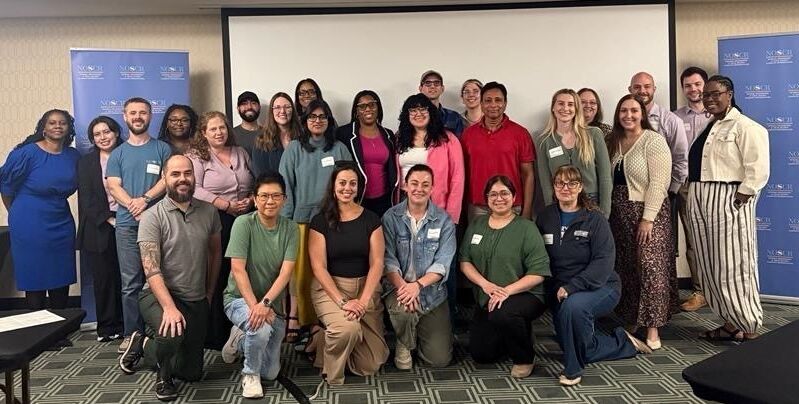
Don’t miss your next chance for a quick check-in with fellow NOSSCR NextGen members: Tuesday, November 3, at 12pm Eastern. These monthly gatherings (held on the first Tuesday of every month) are an informal chance to network, ask questions, run hypotheticals, and just check-in with our community. These sessions are intended for new(ish) practitioners—those with fewer than 10 years in the field of Social Security disability, or those who are under 40 years old. The virtual gathering is free, but registration is required to get the link, so please register today, mark your calendars, and join us!

Register for CAPACITY ’26, a Free Disability Law Tech Summit, Thurs. Nov. 12
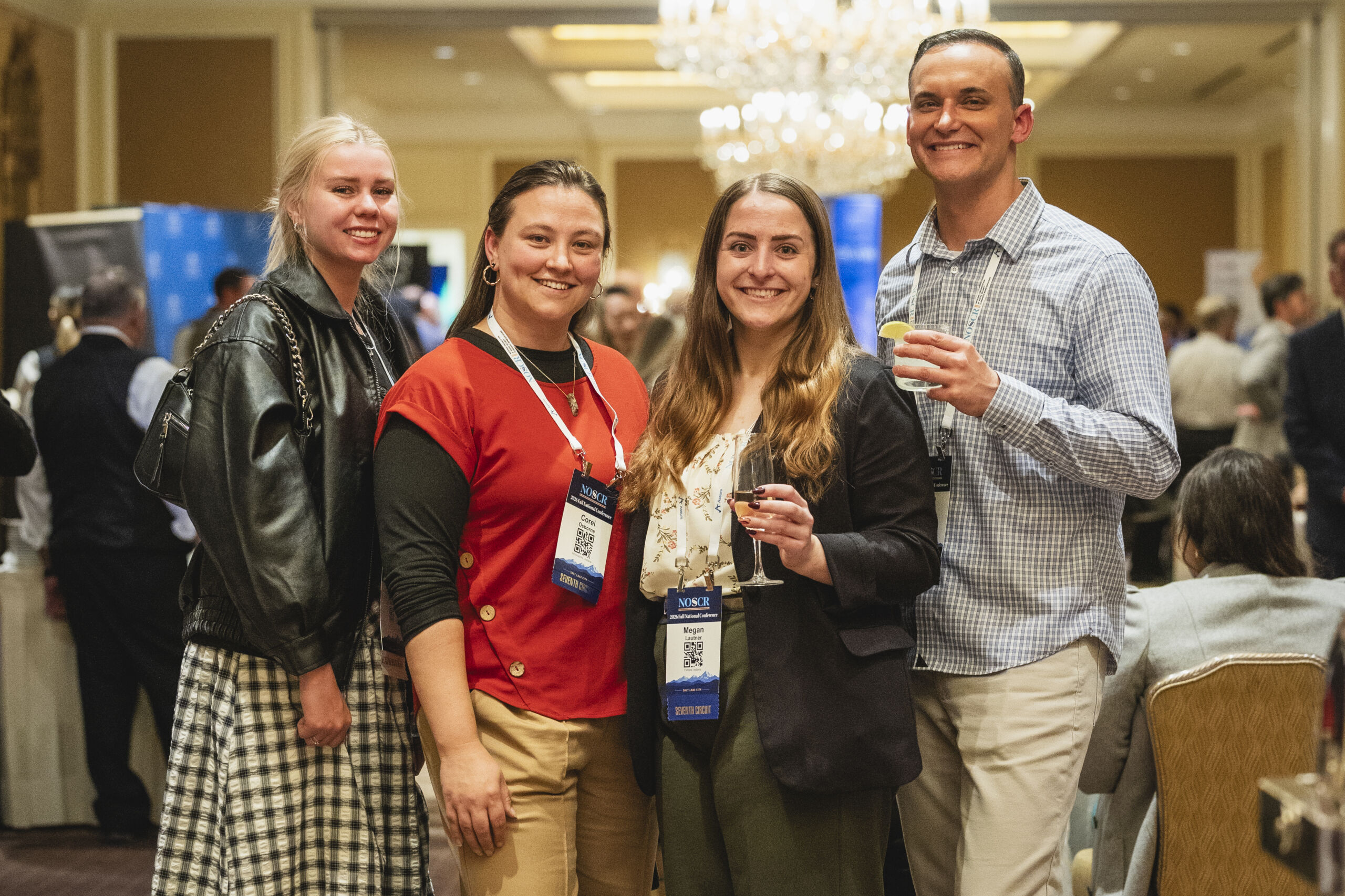
We are proud to present CAPACITY ’26, a free virtual Disability Law Tech Summit on Thursday, November 12, from 12 to 5pm Eastern, produced by Chronicle.
The idea behind the day: most firms already have more capacity than they are using. It hides in the hours spent on each case, the cases a firm turns down, and the relationships it already has.
The summit is one afternoon on where that capacity sits and how disability firms are using technology to get it back without adding headcount to match.
What is on the agenda:
- An opening practitioner panel with Diane Haar (Hawaii Disability Legal Services), Will Viner (Viner Disability Law) and Kaitlyn Newell (Carmichael Law Group), on the specific decisions they made instead of hiring.
- Education sessions with Benny, LexMed, Konoski & Partners and Chronicle, covering how technology can assist with intake, getting through a long record, reviewing more files than a team can read, and the client status calls that fill a case manager’s week.
- A closing panel with PR Legal Marketing, Konoski & Partners and Chronicle, with time for your questions.
It is free, and open to anyone working in disability law: attorneys, non-attorney representatives, paralegals, case managers, intake and operations staff, and firm owners. Every registrant gets the recordings, and $500+ in prizes will be given away live, including a pair of AirPods Pros.

Announcement: Annual Membership Meeting
Per NOSSCR’s bylaws, “there shall be an annual meeting of the association held at such place and on such date as determined by the President. Notice of such meeting shall be provided to all members at least thirty (30) days before the meeting.”
President Rob Wendt has scheduled the 2026 Annual Meeting to occur virtually on Friday, December 4, at 3pm Eastern. Join the Teams Meeting with this link.
Video Replays for Conference Attendees
If you attended our Fall Salt Lake City Conference in-person, your video replay links should arrive shortly. Virtual attendees should already have all session links. Please be mindful that watching a CLE session on replay may not qualify for CLE credit in your state. These video links are coming from our CLE-partners at myLawCLE via their video platform Beacon.
Please reach out directly to myLawCLE with any CLE or tech questions: registration@mylawcle.com.
In Case You Missed It: SSA’s Updated Hearing Decision Notices
This month, SSA rolled out an updated version of fully favorable hearing decision notices for some cases. Take a look at their Dear Colleague Letter below.
Dear Colleague,
We are pleased to share that we have redesigned the decision documents you and your clients will receive for certain fully favorable disability decisions at the hearing level. The redesign aims to make these decisions more concise, easier to understand, and faster to deliver.
What Is Changing
For certain fully favorable hearing decisions, you and your clients will receive a single document titled, “Decision Notice.” This concise notice will include:
- A statement that the decision is fully favorable.
- The date the claimant’s disability began.
- The reason for the finding of disability.
Your clients will also be able to access the Decision Notice through their personal my Social Security account. The notice will explain how to request more detailed information about the decision, which will be contained in a Decisional Worksheet available in the electronic folder.
What Remains Unchanged
The Decision Notice will continue to provide information about receiving benefits, filing an appeal, and contacting us for assistance. If a fee agreement is involved, a Fee Order will be included as an enclosure. All other aspects of the process remain unchanged.
When These Changes Begin
In October, we began introducing the new Decision Notice for a limited number of fully favorable hearing decisions, and we will expand its use over time. We will continue to issue decisions using our standard Notice of Decision and Decision and Fee Order documents during this rollout as we monitor implementation.
We encourage you to share this information with your colleagues and clients. Clients who do not have a personal my Social Security account can create one at www.ssa.gov/myaccount.
Daily Dose of Data from SSA
This month, Social Security released the following updates:
- “Updates on the Financial Status of Social Security and Proposals to Change It” – Slides from Chief Actuary Karen Glenn and Actuary Mike Stephens’ presentation at the Society of Actuaries 2026 ImpACT Conference on October 27, 2026.
- Monthly Statistical Snapshot, September 2026 – A monthly snapshot of statistics on Social Security beneficiaries and Supplemental Security Income recipients.
- SSI Monthly Statistics, September 2026 – These monthly tables provide statistics for federally administered payments and awards under the Supplemental Security Income (SSI) program.
- Fast Facts & Figures About Social Security, 2026 – An annual chartbook that highlights statistics on the most important aspects of the Social Security and Supplemental Security Income programs—the people they serve and the benefits they provide.
- Long-range financial estimates for various options to change the Social Security program (including changes to retirement age, payroll taxes, taxation of benefits, etc.), as proposed by members of Congress and other policy makers, updated using the intermediate assumptions of the 2026 OASDI Trustees Report.
Useful Resources
OHO Caseload Analysis Report September 2026
Social Security Rulings and Acquiescence Rulings by Year